Yes. In most modern U.S. vehicles, knock sensors are necessary for engine protection, performance, and fuel efficiency.
Across the United States, nearly all modern gasoline-powered vehicles rely on electronic engine management systems that use knock sensors to detect abnormal combustion. These sensors help the engine control module adjust ignition timing before harmful engine damage occurs.
When people ask whether knock sensors are necessary, the answer depends partly on the vehicle’s design. Older engines may run without them, but most modern engines are engineered around knock sensor feedback. Without accurate knock detection, engines can lose power, reduce fuel economy, trigger warning lights, and face a greater risk of long-term damage.
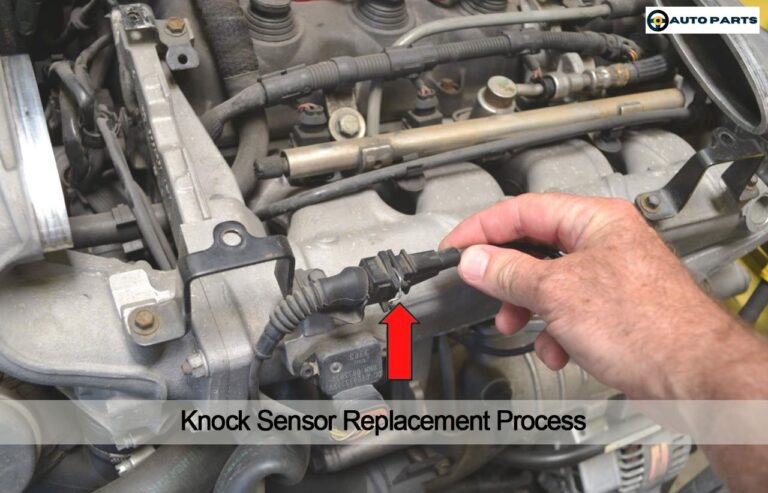
Source: ricksfreeautorepairadvice.com
What Is a Knock Sensor and Why Does It Matter?
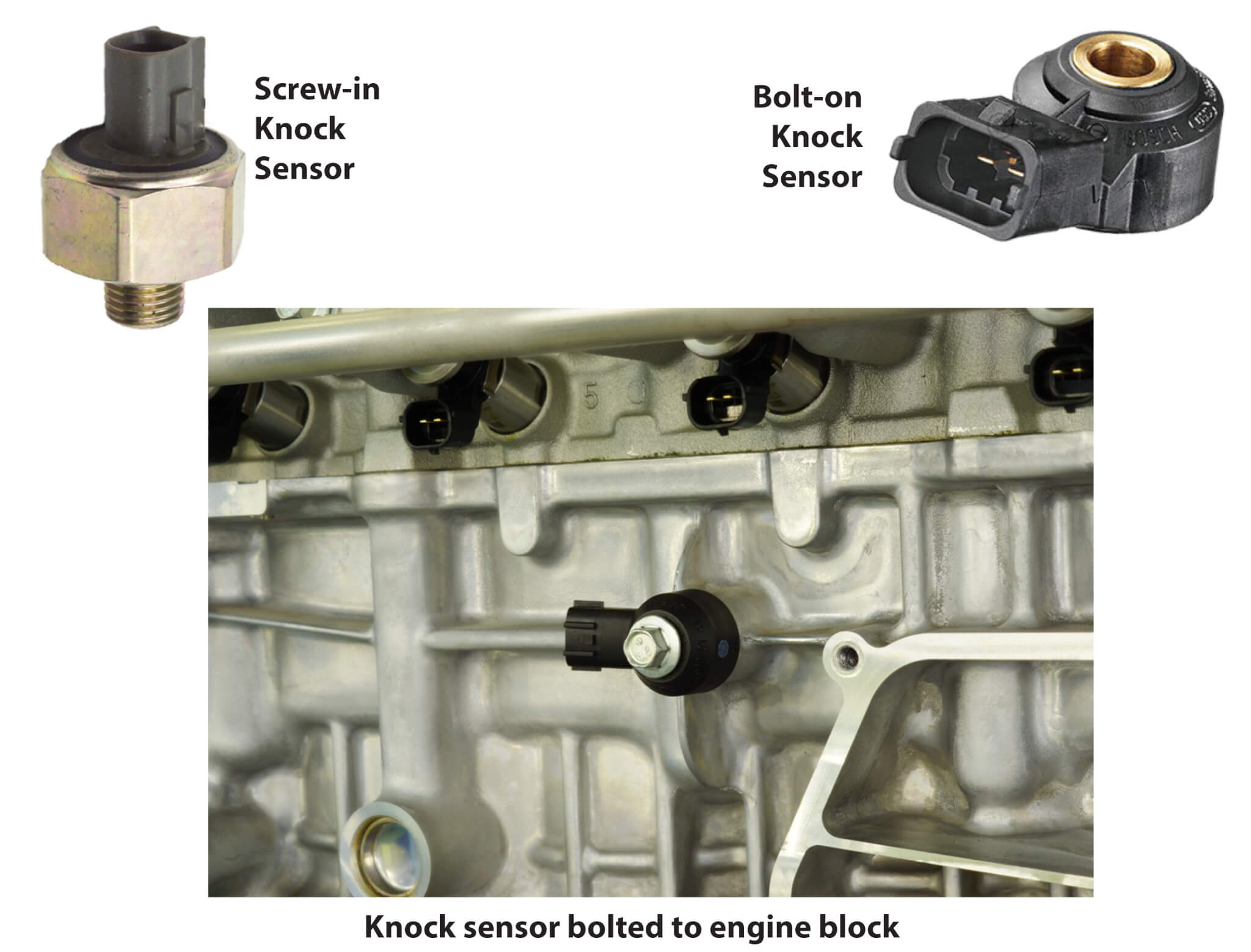
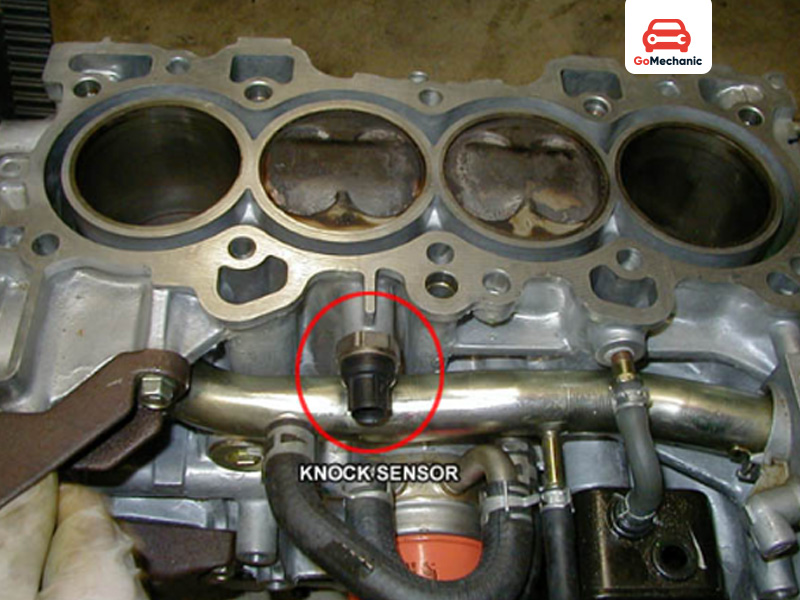
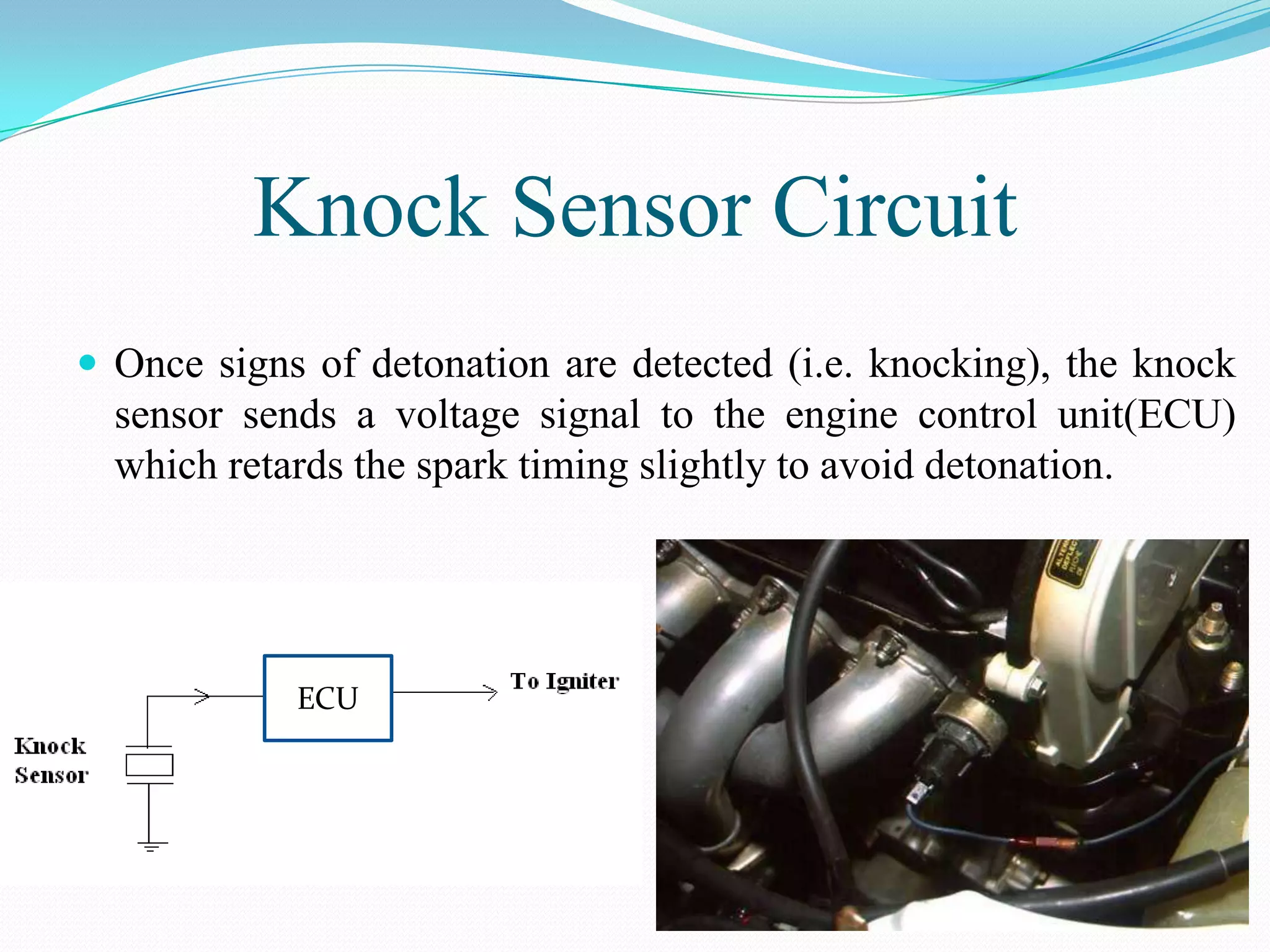
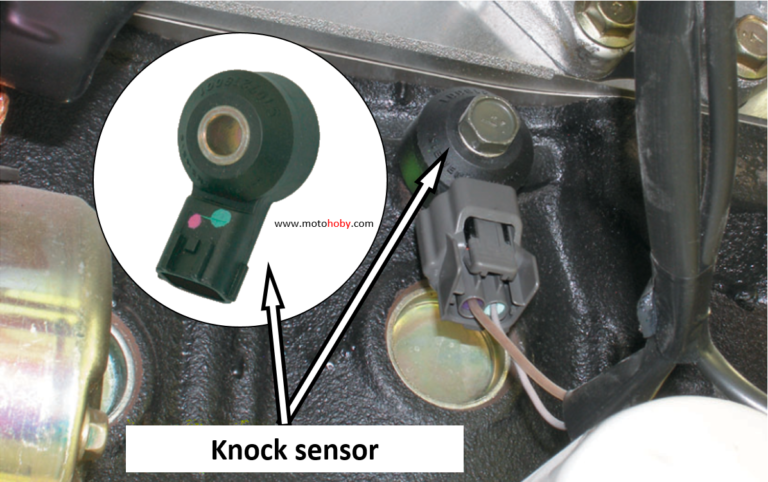
A knock sensor is an electronic device mounted on the engine block or cylinder head. Its job is to detect vibration patterns associated with abnormal combustion, often called spark knock, pinging, or detonation.
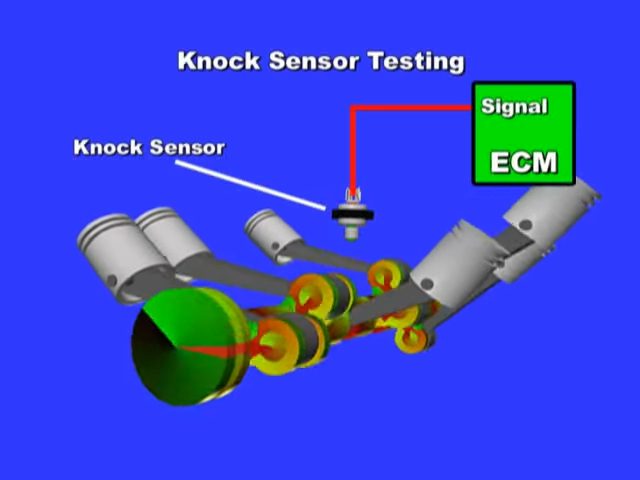
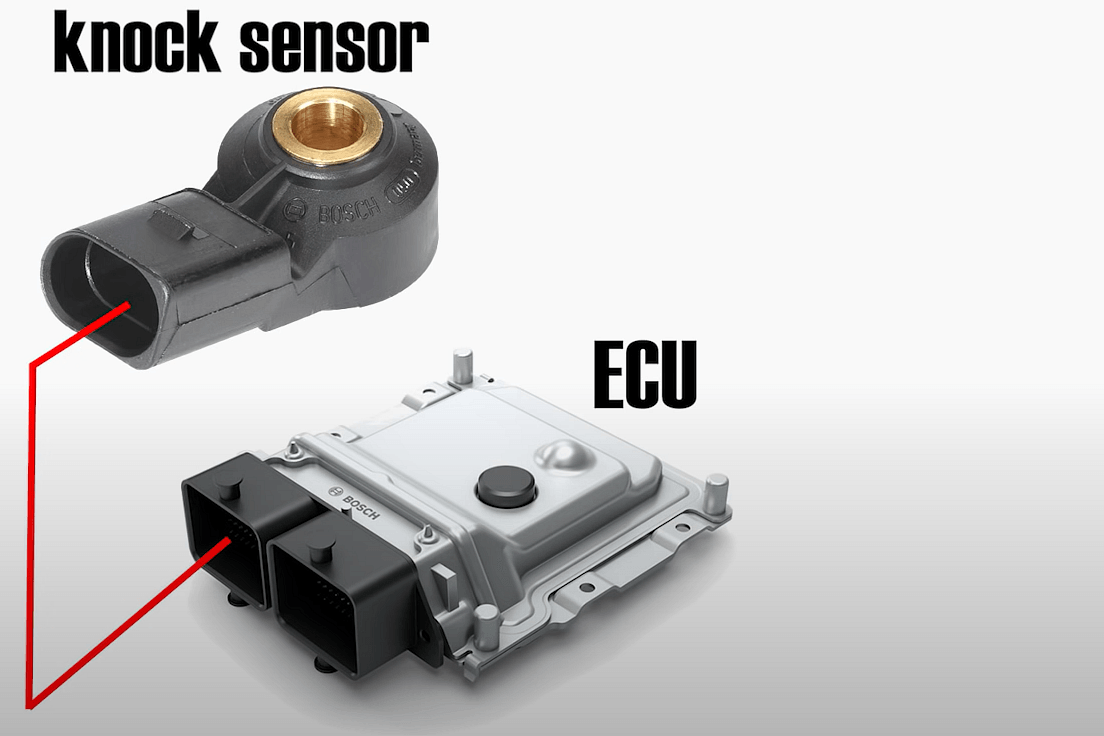
The sensor sends signals to the engine control module. If knocking is detected, the computer adjusts ignition timing and other operating parameters to protect the engine. This process helps maintain reliability while maximizing performance.
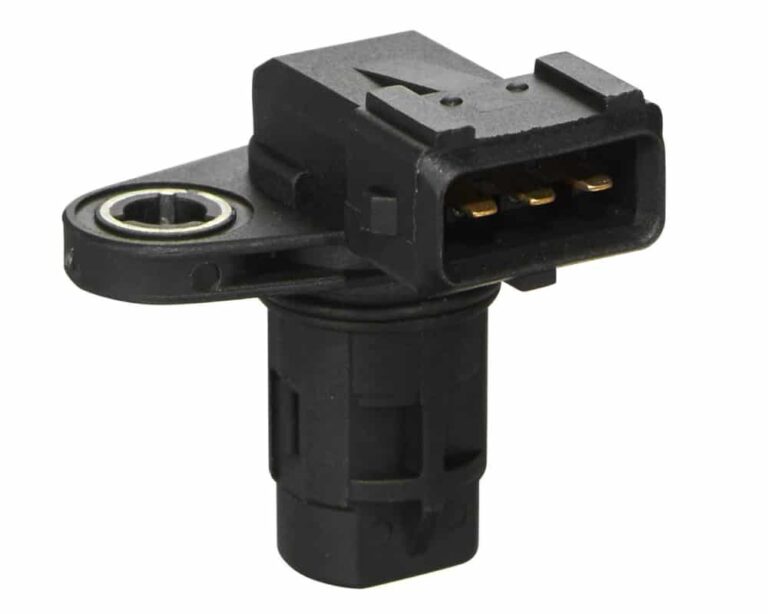
Source: blogs.gomechanic.com
Detects Engine Knock
Monitors vibrations caused by uncontrolled combustion.
Protects Components
Helps prevent piston, cylinder, and bearing damage.
Supports Performance
Allows the engine to run closer to its optimal timing settings.
What Is Engine Knock?
Engine knock occurs when the air-fuel mixture ignites in an uncontrolled manner inside the combustion chamber. Instead of a smooth burn, pressure waves collide and create a knocking sound.
Repeated knocking can increase heat and stress on engine components, potentially causing expensive repairs if left unchecked.
Common Causes
Low-octane fuel, excessive heat, carbon buildup, or timing issues.
Are Knock Sensors Necessary in Modern Vehicles?
Yes, knock sensors are necessary in most modern vehicles because engine control systems rely on their data. Manufacturers design engines to operate efficiently while remaining protected from detonation under varying driving conditions.
Without a functioning knock sensor, the engine computer may switch to conservative operating strategies. This often reduces performance and fuel economy to lower the risk of damage.
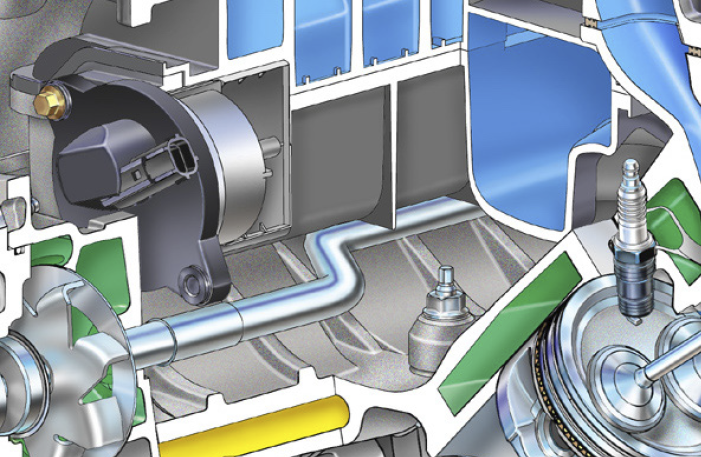
Source: icdrex.com
Modern Engine Requirement
Most current vehicles depend on knock sensor feedback.
Emissions Support
Accurate timing control helps maintain emissions compliance.
Fuel Efficiency
Allows the engine to optimize combustion safely.
Can an Engine Run Without a Knock Sensor?
Some engines may continue running when a knock sensor fails, but that does not mean the sensor is unnecessary. The vehicle may enter a reduced-performance mode and store diagnostic trouble codes.
Operating for extended periods with a failed knock sensor increases the chance of undetected detonation and reduced engine efficiency.
Short-Term Operation
The engine may run but often with reduced performance.
Benefits of a Properly Working Knock Sensor
A healthy knock sensor helps the engine operate efficiently across different temperatures, fuel qualities, and driving conditions. It continuously provides information that allows the engine computer to make adjustments.
The result is improved performance, reduced risk of engine damage, and better overall drivability.
Source: toolsweek.com
Engine Protection
Reduces the risk of harmful detonation.
Improved Power
Allows optimized ignition timing when conditions permit.
Better Fuel Economy
Supports efficient combustion strategies.
How the Sensor Improves Reliability
Modern engines often operate with high compression ratios and sophisticated timing controls. Knock sensors provide real-time feedback that helps protect these systems from abnormal combustion events.
This protection is especially valuable during heavy acceleration, towing, hot weather, or when fuel quality varies.
Adaptive Protection
Responds to changing operating conditions automatically.
Signs a Knock Sensor May Be Failing
A faulty knock sensor does not always create obvious symptoms immediately. However, many vehicles will display warning signs that indicate the sensor or its circuit needs attention.
Prompt diagnosis can help prevent unnecessary performance issues and reduce the risk of engine stress.
Source: static0.carbuzzimages.com
Check Engine Light
One of the most common indicators of a knock sensor problem.
Reduced Power
The engine computer may limit timing advance.
Lower Fuel Economy
Conservative engine operation can increase fuel consumption.
Other Possible Symptoms
Drivers may notice sluggish acceleration, rough performance under load, or stored diagnostic codes related to knock sensor operation.
Some symptoms overlap with ignition, fuel, or wiring problems, making proper diagnosis important.
Professional Testing
Scan tools and electrical testing can confirm faults.
When Are Knock Sensors Less Critical?
Some older vehicles were designed without knock sensors. These engines relied on fixed ignition timing strategies and mechanical systems that differed significantly from modern engine management.
Even so, the absence of a knock sensor in an older design does not mean modern vehicles can safely operate without one. The engineering assumptions are completely different.
Source: image.slidesharecdn.com
Older Vehicle Designs
Many older engines were not originally equipped with knock sensors.
Modern Designs
Most rely on electronic knock detection as part of normal operation.
Should You Ignore a Knock Sensor Fault Code?
Ignoring a knock sensor fault code is generally not recommended. While the vehicle may remain drivable, performance and protection systems may be compromised.
Repairing the issue promptly helps restore normal engine operation and reduces the risk of future problems.
Best Practice
Diagnose and repair knock sensor faults as soon as practical.
Quick Decision Table: Are Knock Sensors Necessary?
The importance of a knock sensor depends largely on the vehicle’s design. The table below summarizes common situations.
Source: cf.unikeyic.com
Modern Gasoline Vehicle
Yes, a knock sensor is generally necessary.
Older Vehicle Without Factory Sensor
Not applicable if the engine was never designed for one.
Vehicle With Failed Sensor
Repair is recommended to restore proper operation.
Practical Recommendation
If your vehicle was originally equipped with a knock sensor, it should remain functional for the engine to operate as intended by the manufacturer.
Replacing a failed sensor is usually far less expensive than repairing damage caused by uncontrolled detonation.
Cost Prevention
Early repair can help avoid larger engine repair expenses.
Frequently Asked Questions
Q
Can I drive with a bad knock sensor?
Many vehicles can still be driven with a faulty knock sensor, but performance may decrease and the engine may not be fully protected from detonation. Repairing the issue is recommended.
Q
Will a bad knock sensor damage my engine?
The sensor itself does not damage the engine, but failed knock detection can increase the risk of harmful combustion events that may contribute to engine wear over time.
Q
Do all cars have knock sensors?
No. Many older vehicles were built without knock sensors, while most modern gasoline-powered vehicles use them as part of their engine management systems.
Q
Does a knock sensor improve fuel economy?
Indirectly, yes. By allowing the engine to operate with optimized ignition timing, a functioning knock sensor can support efficient fuel use.
Q
How do I know if my knock sensor is bad?
Common signs include a check engine light, diagnostic trouble codes, reduced engine performance, and lower fuel economy. Proper testing is needed for confirmation.
✦ Wrapping Up
Conclusion
For most modern vehicles, the answer to are knock sensors necessary is yes. These sensors play a critical role in protecting engines from detonation while helping maintain power, efficiency, and reliability.
Although some older engines operated without knock sensors, today’s engine management systems depend heavily on accurate knock detection. Ignoring a faulty sensor can lead to reduced performance and increased risk of engine problems.
💡 Key Takeaway
If your vehicle has a knock sensor fault code or related symptoms, schedule a proper diagnosis and repair to restore normal engine protection and performance.
Ethan Brooks is an automotive writer at Auto News 7, covering car news, vehicle maintenance, new model updates, recalls, and practical buying guides. He focuses on clear, useful information that helps drivers understand their vehicles and make better ownership decisions.
Learn how to remove crankshaft position sensor safely and correctly. Follow step-by-step instructions, tools needed, troubleshooting tips, and common mistakes to avoid.
Learn how to test a Nissan knock sensor using a multimeter, scan tool, and visual inspection. Follow this step-by-step guide to diagnose knock sensor problems on Nissan vehicles.
Can a crankshaft position sensor cause transmission problems? Learn how a faulty CKP sensor can affect shifting, symptoms to watch for, and how to diagnose it.
Learn how much a camshaft position sensor costs, typical replacement prices in the USA, labor charges, symptoms of failure, and when replacement makes sense.
Learn whether a knock sensor can cause misfire, how the sensor affects engine timing, common symptoms, diagnosis steps, and when replacement may be necessary.