Yes, oil can appear around a knock sensor, but the sensor itself is not always the source.
In the United States, drivers often discover oil around a knock sensor while investigating a check engine light or engine performance problem. In many cases, the oil originates from a nearby gasket, valve cover, intake manifold, or engine block passage rather than from the sensor electronics themselves.
Understanding whether the knock sensor is actually leaking or simply contaminated by another oil leak is important. A correct diagnosis can prevent unnecessary parts replacement and help address the real source of the problem before engine performance suffers.
Source: blogs.gomechanic.com
Can a Knock Sensor Leak Oil?
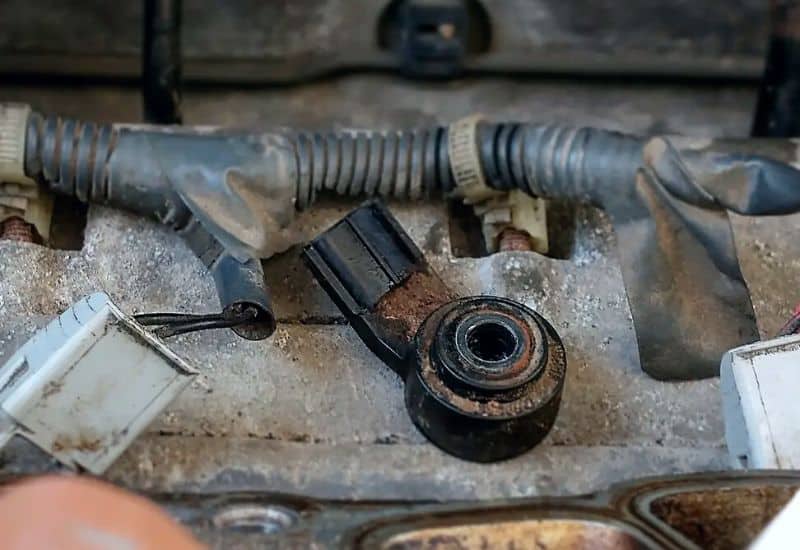
The answer is yes, but only under specific circumstances. Some knock sensors are mounted in locations where oil is present within the engine. If the sensor housing, sealing washer, or mounting area fails, oil may seep around the sensor.
More commonly, oil found near a knock sensor comes from another leaking component. Oil can travel across engine surfaces and collect around the sensor, creating the impression that the sensor itself is leaking.
Source: mechanicsdiary.com
Possible sensor leak
A damaged seal or sensor body may allow oil to escape.
False diagnosis
Oil from another engine component can collect near the sensor.
Why confusion is common
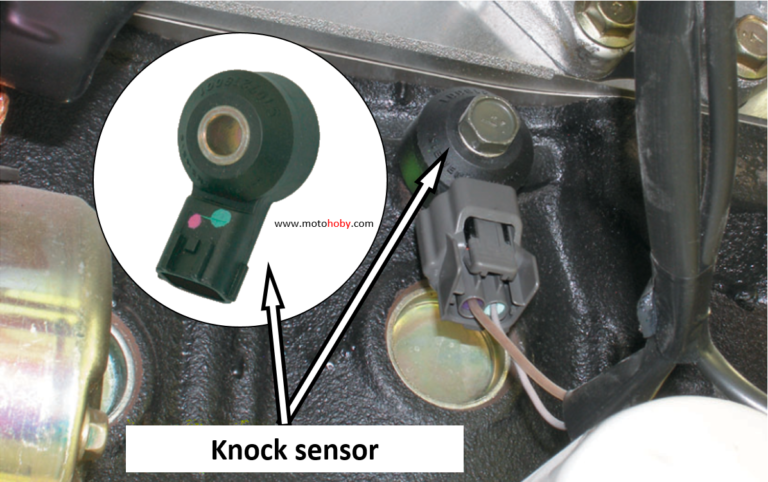
Many knock sensors are located beneath intake manifolds or in engine valleys where oil can accumulate. This makes the actual leak source difficult to identify without cleaning and inspection.
Hidden location
Sensor placement often limits visibility.
Common Causes of Oil Around a Knock Sensor
Several engine components can leak oil near a knock sensor. Valve cover gaskets, intake manifold seals, timing covers, and engine valley gaskets are frequent causes.
A cracked sensor housing or deteriorated sealing surface is less common but should still be considered if other leak sources have been eliminated.
Source: mechlesson.com
Valve cover gasket
Oil may run down onto the sensor area.
Intake manifold leak
Oil can collect beneath the intake and around the sensor.
Sensor seal failure
The mounting seal may no longer contain oil properly.
Vehicles most likely to experience the issue
Engines with knock sensors mounted in the engine valley or beneath the intake manifold are more likely to accumulate oil around the sensor location.
Engine design matters
Sensor placement influences leak visibility and diagnosis.
Symptoms Associated With an Oil-Contaminated Knock Sensor
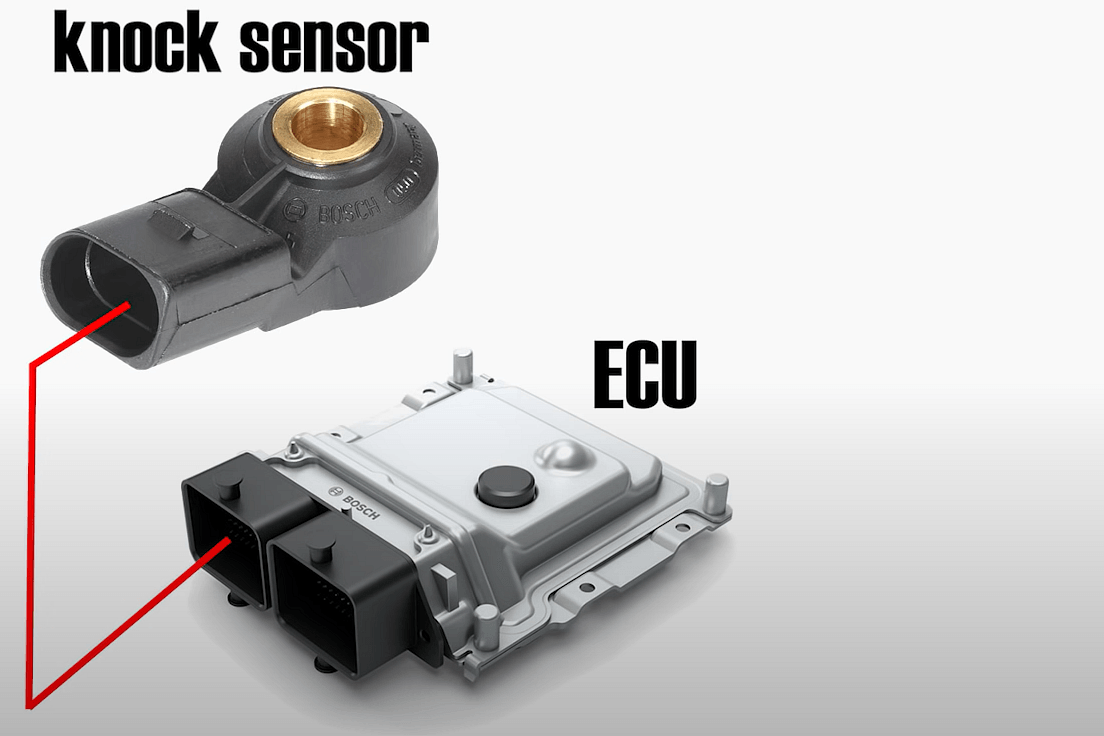
Oil contamination can affect the sensor connector and wiring. When this happens, the engine control module may receive inaccurate information about engine knock.
Drivers may notice reduced engine performance, poor fuel economy, hesitation during acceleration, or an illuminated check engine light.
Source: static0.carbuzzimages.com
Check engine light
Diagnostic trouble codes related to knock sensor operation may appear.
Reduced power
The engine may retard ignition timing as a protective measure.
Can oil damage the sensor?
Extended exposure to oil can degrade electrical connectors, insulation, and wiring, increasing the likelihood of sensor-related faults.
Electrical concerns
Contaminated connectors may create signal issues.
How to Diagnose the Real Leak Source
The most reliable method is to clean the area thoroughly and monitor it over time. Fresh oil traces often reveal the true origin of the leak.
A visual inspection, ultraviolet dye test, or professional leak diagnosis can help pinpoint the exact location of oil seepage.
Source: autovehicleparts.com
Clean first
Remove existing oil before inspecting.
Track new leaks
Fresh oil reveals the actual source.
When professional help is useful
If the sensor is located beneath major engine components, professional inspection may save time and prevent misdiagnosis.
Hard-to-access locations
Special tools and experience may be required.
Repair Options and Next Steps
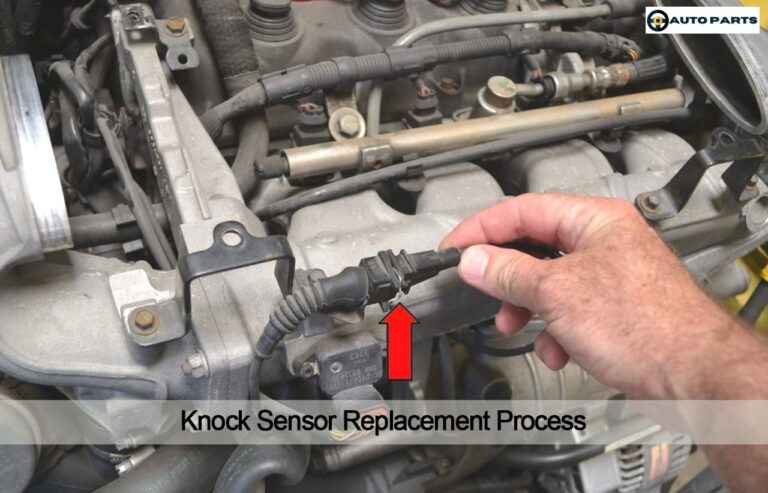
Repair depends on the actual cause. If the sensor seal has failed, replacing the sensor and seal may solve the problem. If another gasket is leaking, that component should be repaired instead.
After repairs, clean any remaining oil, inspect the wiring harness, and clear any stored diagnostic trouble codes before verifying proper operation.
Source: blogs.gomechanic.com
Replace damaged components
Repair the confirmed source of the leak.
Inspect wiring
Check for oil-related electrical damage.
Preventing future leaks
Routine inspections and prompt gasket replacement can reduce the risk of oil reaching sensitive engine sensors.
Regular maintenance
Address small leaks before they become major repairs.
Frequently Asked Questions
Q
Can a bad knock sensor cause an oil leak?
A faulty knock sensor does not usually create an oil leak. However, a damaged sensor seal or mounting area may allow oil to seep around the sensor.
Q
Is it safe to drive with oil around a knock sensor?
Short trips may be possible, but the leak should be diagnosed promptly. Oil contamination can affect electrical connections and may indicate a larger engine sealing problem.
Q
Will replacing the knock sensor stop the oil leak?
Only if the sensor or its seal is the actual source. Replacing the sensor will not fix leaks coming from valve covers, intake gaskets, or other engine components.
Q
Can oil damage a knock sensor connector?
Yes. Oil exposure can deteriorate connector materials and contribute to poor electrical connections over time.
Q
How much does it cost to repair a knock sensor oil leak?
Costs vary widely depending on vehicle design and the true source of the leak. Repairs may range from a simple seal replacement to more extensive gasket work requiring significant labor.
✦ Wrapping Up
Conclusion
The question can a knock sensor leak oil has a nuanced answer. While a knock sensor or its seal can sometimes allow oil to escape, nearby gaskets and engine components are more common sources of leaks found around the sensor area.
Accurate diagnosis is the key to avoiding unnecessary repairs. Cleaning the area, tracing fresh oil, and inspecting related components will usually identify the real cause.
💡 Key Takeaway
If you notice oil around a knock sensor, confirm the exact source before replacing parts and inspect nearby gaskets, seals, and wiring for damage.
Ethan Brooks is an automotive writer at Auto News 7, covering car news, vehicle maintenance, new model updates, recalls, and practical buying guides. He focuses on clear, useful information that helps drivers understand their vehicles and make better ownership decisions.
Learn how to replace camshaft position sensor PT Cruiser models with this detailed step-by-step guide. Find symptoms, tools needed, replacement steps, troubleshooting tips, and common mistakes to avoid.
Learn how to test a Nissan knock sensor using a multimeter, scan tool, and visual inspection. Follow this step-by-step guide to diagnose knock sensor problems on Nissan vehicles.