In most vehicles, a bad knock sensor alone does not cause a complete no-start condition.
Across the United States, drivers often suspect a failed sensor when an engine cranks but will not start. When asking can a bad knock sensor cause no start, the answer is usually no. A faulty knock sensor commonly affects ignition timing, engine performance, fuel economy, and warning lights, but it rarely prevents the engine from starting by itself.
Modern engine control modules use knock sensor data to protect the engine from damaging detonation. If the sensor fails, the computer often switches to a backup strategy. While some vehicles may experience hard starting, reduced power, or trouble codes, a complete no-start condition is more commonly linked to problems involving fuel delivery, ignition, battery voltage, crankshaft position sensors, or engine control systems.
Source: i.ytimg.com
What Does a Knock Sensor Do?
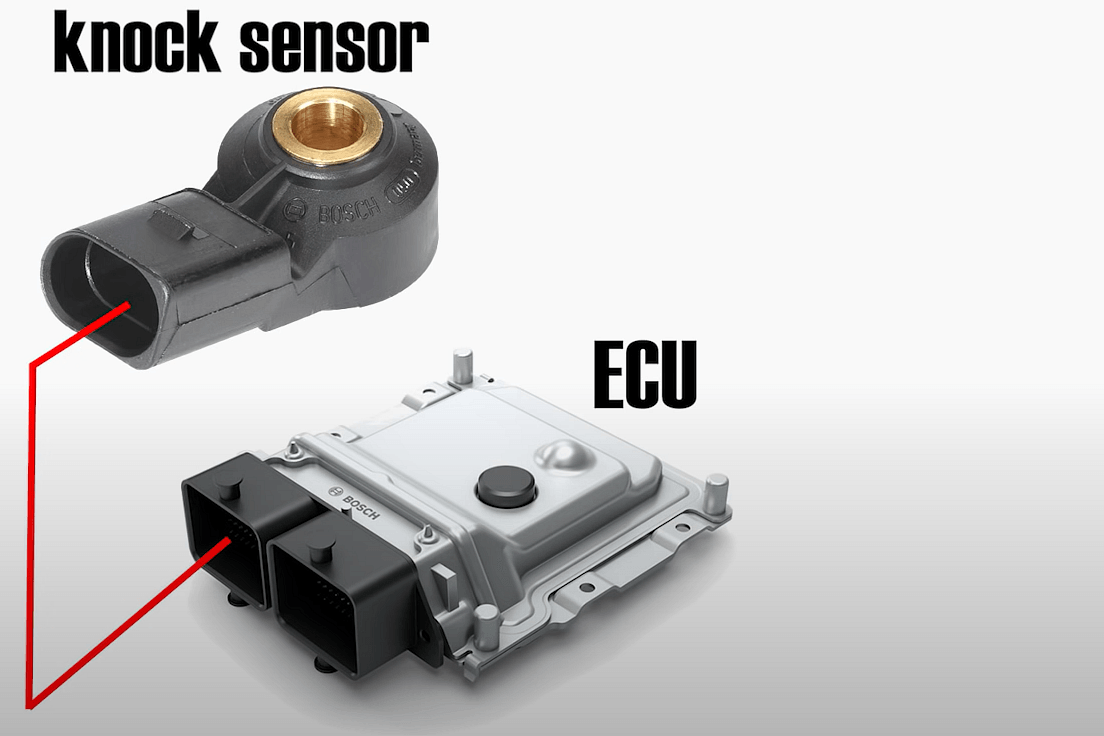
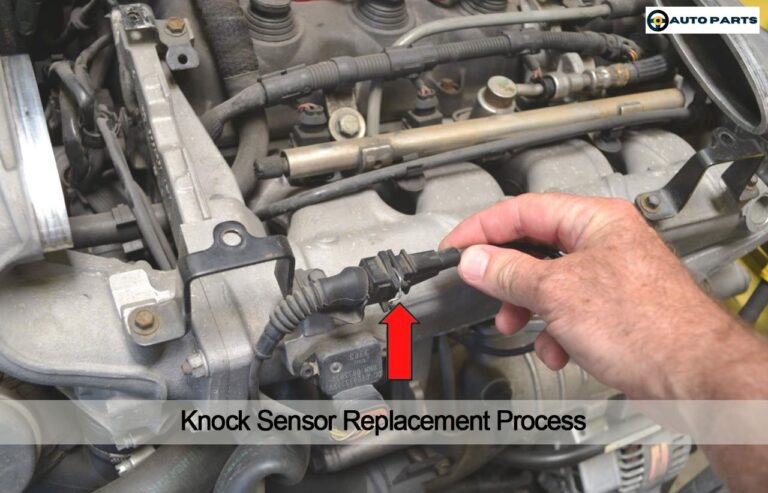
A knock sensor detects abnormal combustion vibrations known as engine knock or detonation. It sends signals to the engine control module, which adjusts ignition timing to help protect the engine.
The sensor acts as a monitoring device rather than a primary starting component. Because of this role, a failed knock sensor usually allows the engine to start while causing other drivability concerns.
Source: image4.slideserve.com
Monitors engine knock
Detects vibration patterns associated with abnormal combustion.
Protects the engine
Allows the computer to adjust timing when knock is detected.
Supports performance
Helps maintain efficient engine operation under varying loads.
Why the Engine Can Usually Start Without Accurate Knock Data
Most engine control modules can operate using substitute values when knock sensor information is unavailable. This backup strategy allows the vehicle to remain operational while alerting the driver to the fault.
Fail-safe mode
The computer may use conservative timing settings until repairs are made.
Can a Bad Knock Sensor Cause No Start?
For most vehicles, the answer to can a bad knock sensor cause no start is no. The engine control module generally does not depend on the knock sensor to determine when to fire injectors or ignition coils during startup.
However, there are exceptions. A severe wiring fault, short circuit, damaged engine harness, or computer-related issue associated with the knock sensor circuit may contribute to starting problems. In those situations, the root cause is often broader than the sensor itself.
Source: i.ytimg.com
Typical outcome
Engine starts but may run with reduced performance.
Situations That May Mimic a Knock Sensor No-Start Problem
A vehicle may store a knock sensor fault code while another failed component is actually preventing startup. This can lead to misdiagnosis if diagnostic testing is not performed.
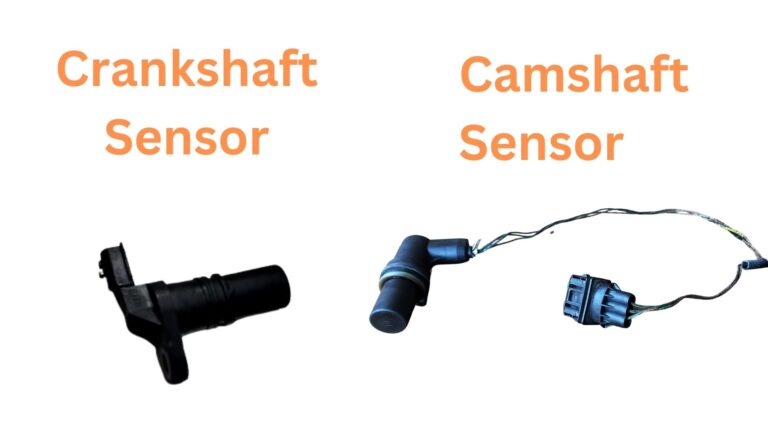
Crankshaft sensor failure
A common cause of no-start conditions.
Fuel delivery problems
Low fuel pressure can prevent combustion.
Symptoms of a Bad Knock Sensor
A failing knock sensor often produces noticeable performance issues before any starting concerns appear. Understanding these symptoms can help narrow down the diagnosis.
Drivers may experience reduced acceleration, lower fuel economy, engine hesitation, or an illuminated check engine light.
Source: thecarbuzz.com
Check engine light
Diagnostic trouble codes related to knock sensor performance may be stored.
Reduced power
The engine computer may retard timing as a protective measure.
Poor fuel economy
Conservative timing strategies can reduce efficiency.
When Symptoms Become Severe
If additional sensor, wiring, or computer faults are present, performance problems can become more noticeable. Comprehensive diagnostics are often necessary to identify the exact cause.
Multiple fault codes
Can indicate a broader electrical issue.
How to Diagnose a No-Start Condition Correctly
When a vehicle will not start, diagnostics should focus first on the systems required for combustion. This approach is more effective than replacing the knock sensor based solely on a fault code.
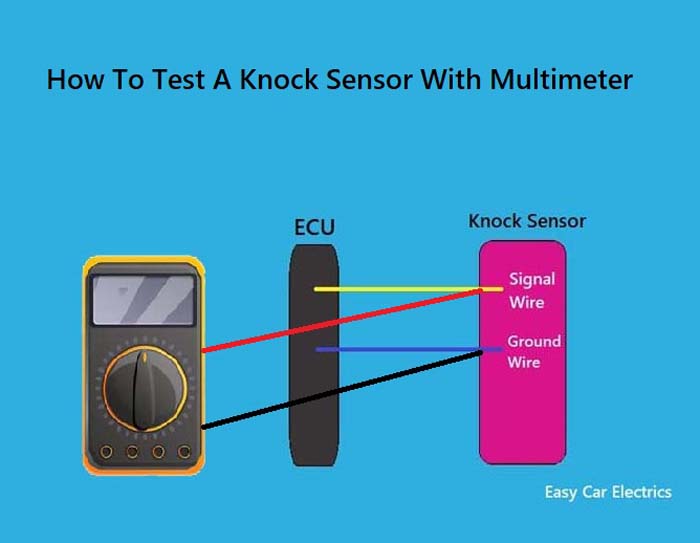
Testing should begin with battery condition, starter operation, fuel pressure, ignition spark, and engine speed sensor signals.
Source: i.ytimg.com
Check battery voltage
Low voltage can create multiple misleading fault codes.
Verify fuel pressure
Ensure fuel reaches the engine at the correct pressure.
Confirm spark
Inspect ignition system operation.
Useful Diagnostic Order
Following a structured diagnostic process reduces unnecessary parts replacement and helps identify the actual cause of the no-start condition.
Scan for codes
Review all stored and pending diagnostic trouble codes.
Inspect wiring
Look for damaged connectors, corrosion, or loose grounds.
Common Causes of No-Start Conditions Instead of a Knock Sensor
Many components play a direct role in engine startup. These parts should be evaluated before concluding that a knock sensor is responsible.
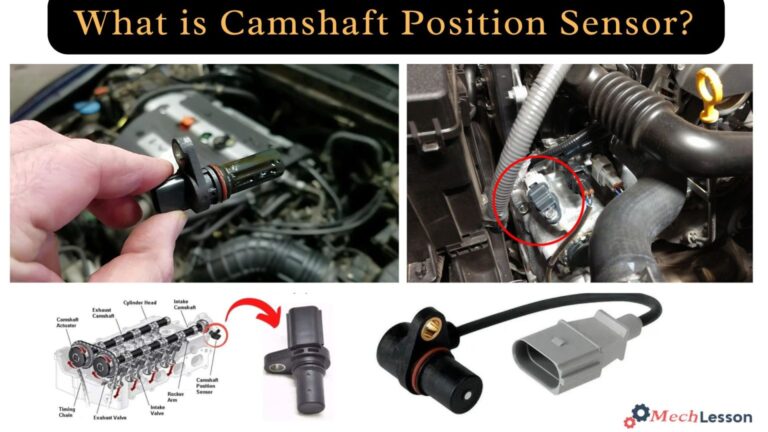
Fuel system failures, ignition problems, battery issues, and crankshaft position sensor faults are among the most common reasons a vehicle will not start.
Source: i.ytimg.com
Weak battery
Insufficient electrical power prevents proper cranking.
Failed fuel pump
The engine receives inadequate fuel for combustion.
Crankshaft sensor fault
The computer may not know engine position or speed.
Ignition failure
Lack of spark prevents startup.
Decision Table for Troubleshooting
If the engine cranks normally but does not start, focus on fuel and ignition systems. If it does not crank at all, begin with battery, starter, and electrical inspections.
Cranks but won’t start
Check fuel delivery and spark.
No crank
Check battery, cables, and starter operation.
When Should You Replace a Knock Sensor?
Replacement is appropriate when testing confirms the sensor has failed or when wiring and connector inspections identify a fault in the knock sensor circuit.
Avoid replacing the sensor solely because a vehicle will not start. Proper testing helps prevent unnecessary repair costs and missed underlying problems.
Source: static0.carbuzzimages.com
Replace after testing
Confirm the sensor or circuit is defective.
Inspect wiring first
Many sensor-related faults originate in connectors or harnesses.
Signs Professional Diagnosis Is Needed
Seek professional assistance if multiple fault codes appear, electrical issues affect several systems, or diagnostic equipment is required to verify sensor signals.
Complex electrical faults
Often require advanced testing tools.
Frequently Asked Questions
Q
Can a bad knock sensor prevent an engine from cranking?
In most cases, no. A knock sensor does not normally control starter operation. Battery, starter, ignition switch, or wiring faults are more likely causes.
Q
Can a bad knock sensor cause hard starting?
Some vehicles may experience harder starts due to timing adjustments or related electrical faults, but this is less common than performance-related symptoms.
Q
Will a vehicle run with a failed knock sensor?
Many vehicles will continue running. The engine control module often uses backup timing values and stores a diagnostic trouble code.
Q
What trouble codes are associated with knock sensors?
Common codes include knock sensor circuit and performance-related faults. Exact codes vary by manufacturer and vehicle model.
Q
Should I replace the knock sensor if my car will not start?
Not without proper testing. A no-start condition is usually caused by fuel, ignition, battery, crankshaft sensor, or electrical system problems rather than the knock sensor itself.
✦ Wrapping Up
Conclusion
The answer to can a bad knock sensor cause no start is usually no. While a failed knock sensor can affect performance, timing, and fuel economy, it rarely serves as the direct cause of a complete no-start condition.
When a vehicle will not start, focus diagnostics on battery health, fuel delivery, ignition components, engine speed sensors, and electrical connections before replacing the knock sensor.
💡 Key Takeaway
If your vehicle has a no-start condition and a knock sensor code, perform a complete diagnostic inspection before replacing parts to ensure the true cause is identified.
Ethan Brooks is an automotive writer at Auto News 7, covering car news, vehicle maintenance, new model updates, recalls, and practical buying guides. He focuses on clear, useful information that helps drivers understand their vehicles and make better ownership decisions.
Learn what causes a knock sensor to go bad, the most common failure reasons, warning signs, diagnostic tips, and how to prevent expensive engine problems.
Learn whether camshaft and crankshaft sensors are the same, how they work, their differences, symptoms of failure, and when each sensor needs replacement.