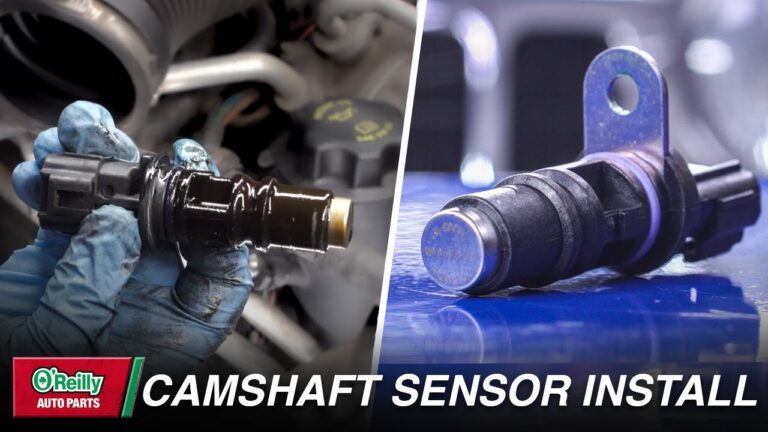
No, most camshaft sensors are not universally interchangeable and must match the vehicle’s specifications.
Across the United States, vehicle owners frequently ask whether a camshaft position sensor from one vehicle can be used in another. In most cases, the answer is no. Camshaft sensors are designed to work with specific engine management systems, connector types, signal patterns, and mounting locations.
While some vehicles may share identical sensors across different models or engine families, compatibility must always be verified using the exact part number, engine code, and manufacturer specifications. Installing the wrong sensor can lead to engine performance problems, diagnostic trouble codes, and starting issues.
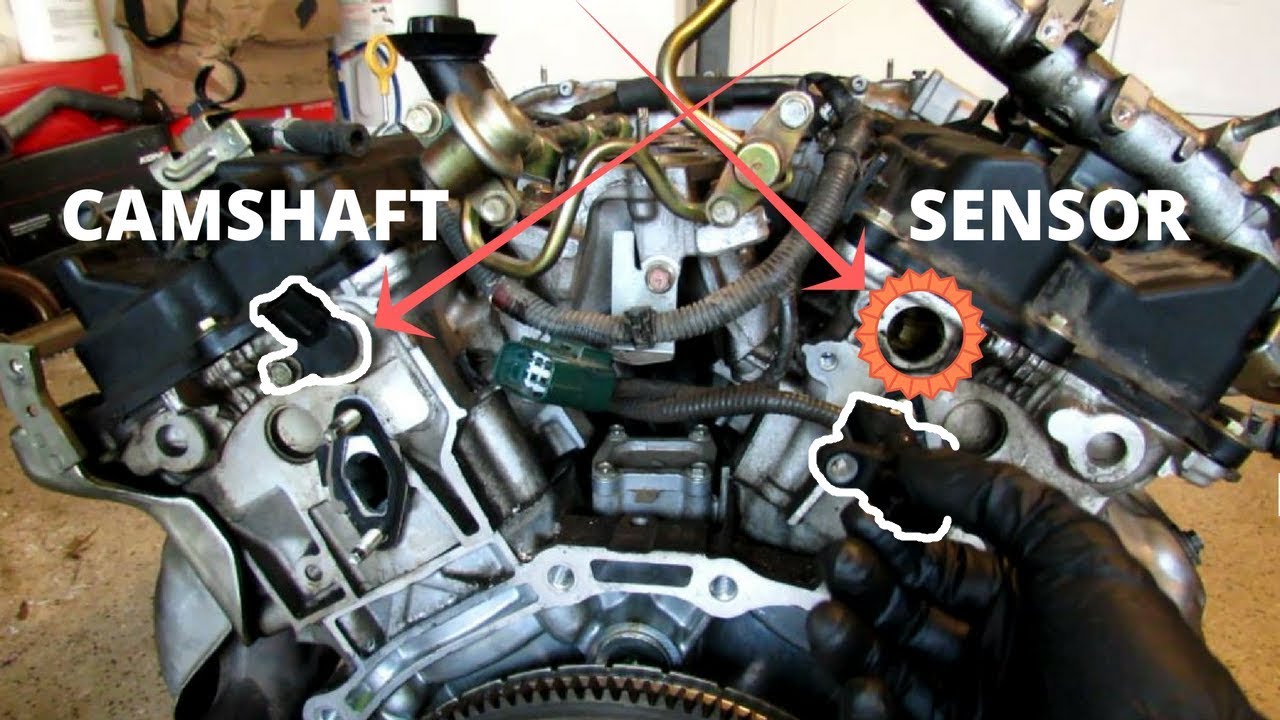
Source: mechlesson.com
What Is a Camshaft Position Sensor?
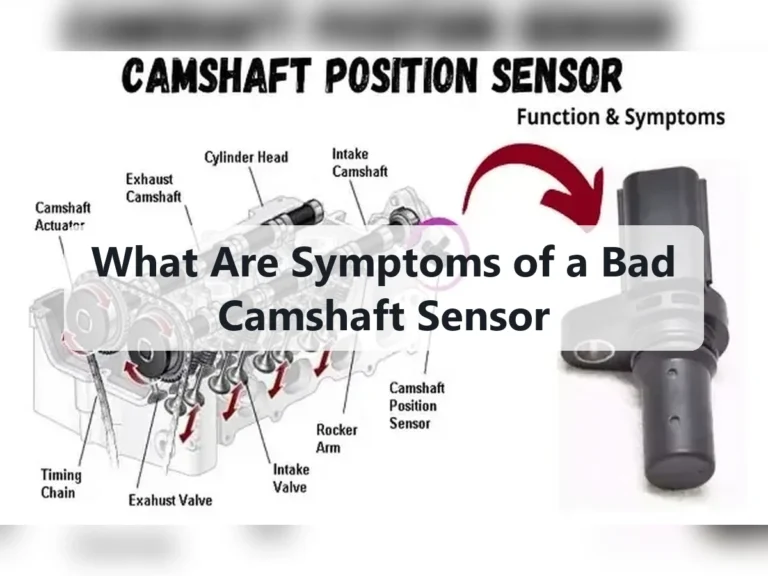
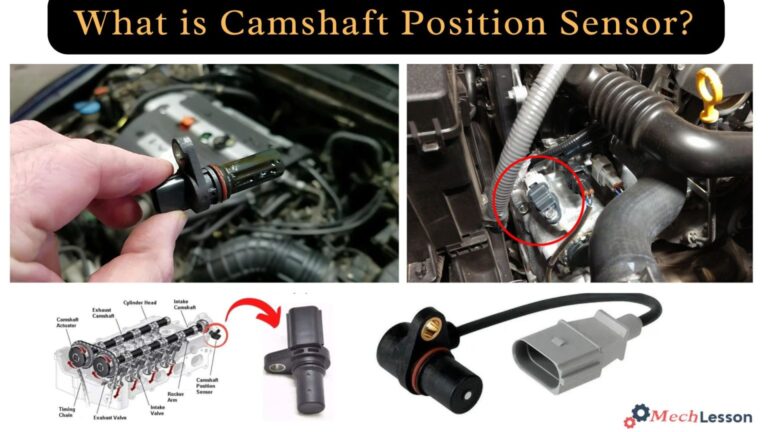
A camshaft position sensor monitors the position and speed of the camshaft. The engine control module uses this information to manage fuel injection timing, ignition timing, and variable valve timing systems.
Modern engines rely heavily on accurate camshaft data. If the sensor sends incorrect information, the engine may run poorly, stall, hesitate, or fail to start.
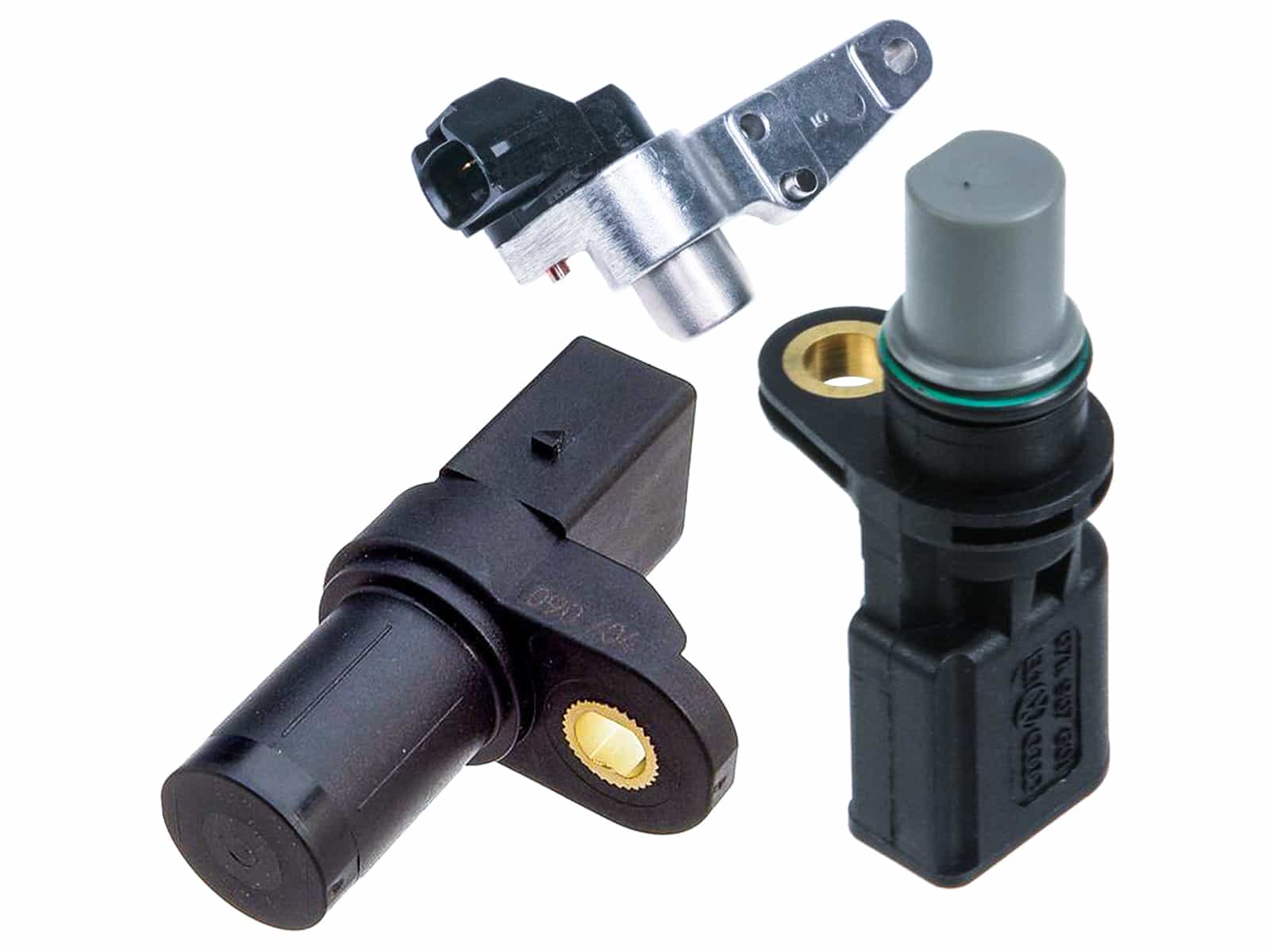
Source: ersaelectronics.com
Primary Function
Tracks camshaft position for engine timing calculations.
Engine Control
Helps coordinate fuel delivery and ignition events.
Why the Sensor Matters
The engine computer compares camshaft and crankshaft signals to determine precise engine timing. Accurate sensor data is essential for proper engine operation.
Performance
Improves starting, efficiency, and drivability.
Are Camshaft Sensors Interchangeable Between Vehicles?
Generally, camshaft sensors are interchangeable only when manufacturers specify the same part number or approved replacement part. Even sensors that look identical can use different electrical characteristics or signal outputs.
Many engines use Hall-effect or magnetic sensors with different voltage requirements and communication methods. A mismatch can prevent the engine computer from interpreting the signal correctly.
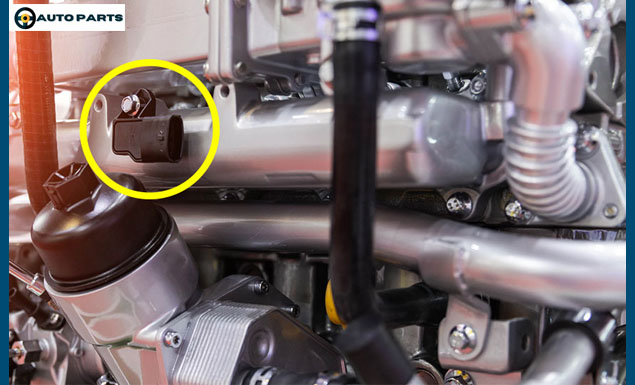
Source: manyautos.weebly.com
Part Number Match
The safest indicator of compatibility.
Engine-Specific Design
Sensors are often calibrated for particular engine families.
When Interchangeability Is Possible
Some automakers use the same sensor across multiple vehicle models and years. In these situations, the manufacturer’s parts catalog will list the same replacement component.
Shared Platforms
Vehicles built on the same engine platform may use identical sensors.
How to Verify Camshaft Sensor Compatibility
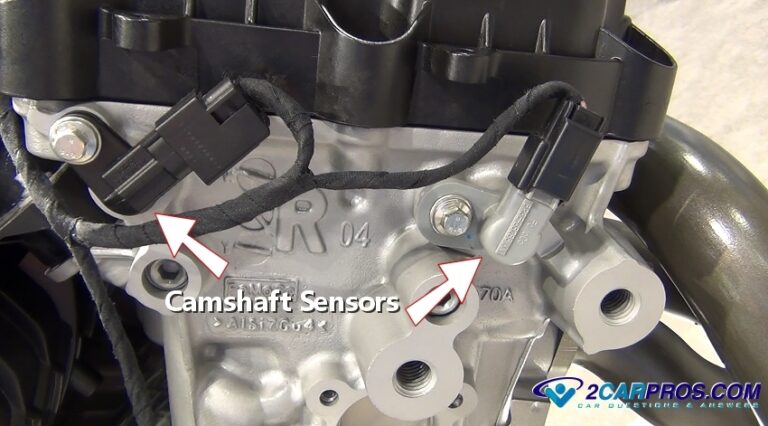
Before purchasing a replacement sensor, compare the original part number, connector design, mounting style, and engine application. Never rely solely on appearance.
Vehicle identification number lookups, manufacturer catalogs, and trusted parts databases can help confirm compatibility.
Source: triscan.dk
Check the VIN
Provides the most accurate vehicle-specific information.
Compare Connectors
Connector shape and pin count must match.
Review Specifications
Verify voltage and signal requirements.
Key Compatibility Factors
The correct sensor must match both mechanical fitment and electrical operation. Either mismatch can create problems.
Electrical Signal
Must be recognized by the engine computer.
Problems Caused by Installing the Wrong Camshaft Sensor
An incompatible sensor can create immediate or intermittent problems. Some vehicles may start but run poorly, while others may not start at all.
Check engine lights, timing errors, misfires, reduced fuel economy, and rough idle conditions are common symptoms.
Source: masterparts.com
Diagnostic Trouble Codes
The engine computer may detect invalid sensor data.
Poor Performance
Incorrect timing calculations can affect engine operation.
Common Symptoms
If symptoms appear immediately after replacement, verify that the installed sensor is the correct part for the vehicle.
Hard Starting
Incorrect sensor signals can disrupt engine synchronization.
OEM vs Aftermarket Camshaft Sensors
OEM sensors are designed to meet the manufacturer’s specifications. High-quality aftermarket sensors can also perform well when built to the correct standards.
The important factor is verified compatibility rather than whether the sensor is OEM or aftermarket. Reputable suppliers provide cross-reference information and fitment data.
Source: autovehicleparts.com
OEM Advantage
Exact fit and original specifications.
Aftermarket Advantage
Often available at a lower cost.
Making the Right Choice
Choose a sensor that matches the exact application and comes from a trusted manufacturer with documented compatibility.
Quality Matters
Poor-quality sensors can fail early or provide inaccurate readings.
Frequently Asked Questions
Q
Can I use a camshaft sensor from another vehicle?
Only if the manufacturer specifies that both vehicles use the same sensor part number. Visual similarity alone is not enough to confirm compatibility.
Q
Will a wrong camshaft sensor damage my engine?
A wrong sensor typically causes performance issues rather than immediate engine damage. However, prolonged operation with incorrect timing information can create additional problems.
Q
How do I find the correct camshaft sensor?
Use the vehicle identification number, engine code, original part number, or a trusted parts catalog to verify fitment.
Q
Are aftermarket camshaft sensors reliable?
Many aftermarket sensors are reliable when sourced from reputable manufacturers and matched to the correct application.
Q
What happens if a camshaft sensor fails?
Common symptoms include hard starting, rough idle, reduced power, poor fuel economy, stalling, and a check engine light.
✦ Wrapping Up
Conclusion
Most vehicle owners asking whether are camshaft sensors interchangeable should assume they are not unless compatibility has been verified. Physical appearance alone does not guarantee that a sensor will function correctly with a specific engine management system.
Matching part numbers, connector designs, and manufacturer specifications remains the most reliable way to ensure proper operation and avoid costly troubleshooting.
💡 Key Takeaway
Verify the exact part number and vehicle application before replacing a camshaft position sensor.
Ethan Brooks is an automotive writer at Auto News 7, covering car news, vehicle maintenance, new model updates, recalls, and practical buying guides. He focuses on clear, useful information that helps drivers understand their vehicles and make better ownership decisions.
Learn when to replace a camshaft position sensor, the warning signs of failure, diagnostic tips, replacement timing, costs, and whether it is safe to keep driving.
Learn how many ohms a camshaft sensor should have, why resistance varies by sensor type, and how to test a camshaft position sensor accurately with a multimeter.
Learn how to replace camshaft position sensor components with a detailed step-by-step guide, tools list, troubleshooting tips, safety advice, and common mistakes to avoid.