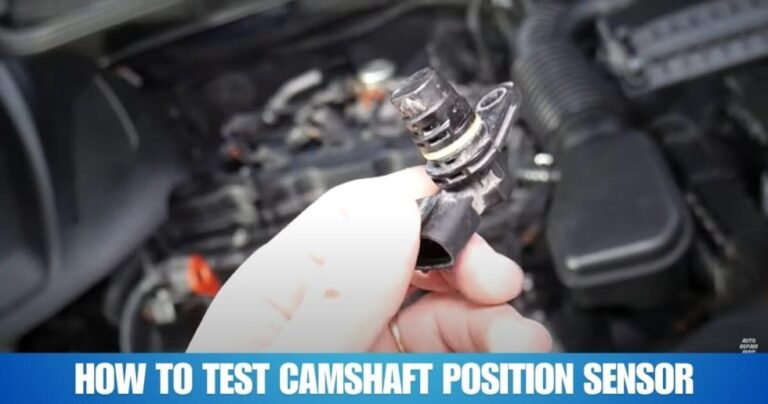
No, all camshaft sensors are not the same. Designs, signals, connectors, and compatibility vary by vehicle and engine.
Across the United States, drivers often discover a camshaft position sensor problem after a check engine light appears or the vehicle develops starting and performance issues. A common question is whether any camshaft sensor can be installed as a replacement. In most cases, the answer is no because manufacturers use different sensor designs, mounting locations, electrical characteristics, and connector types.
Understanding these differences can save time, money, and frustration. Choosing the correct sensor for your specific vehicle, engine, model year, and sometimes even production date is important for reliable engine operation and accurate communication with the engine control module.
Source: storage.googleapis.com
What Does a Camshaft Position Sensor Do?
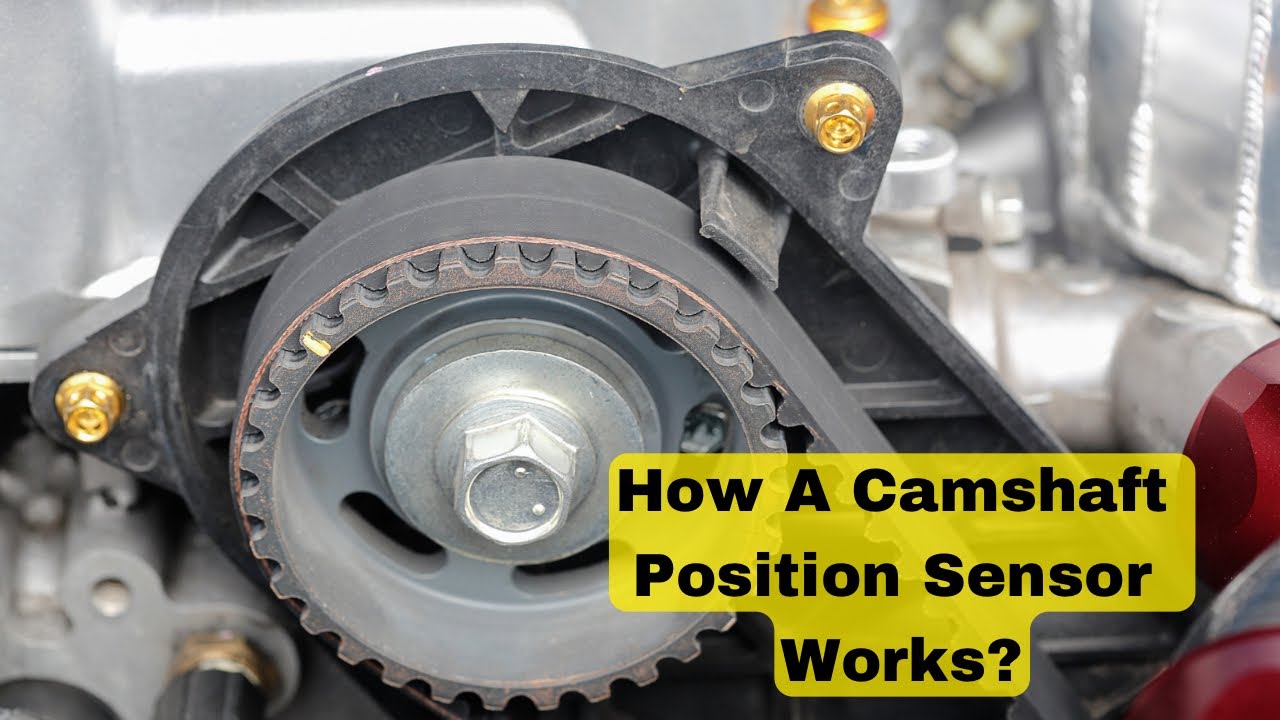
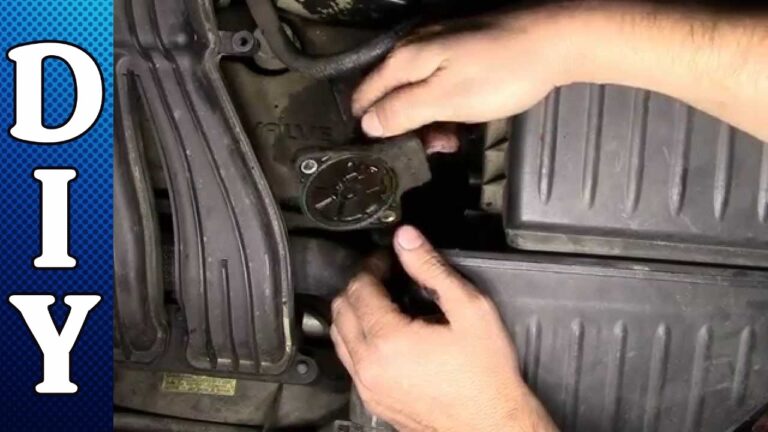
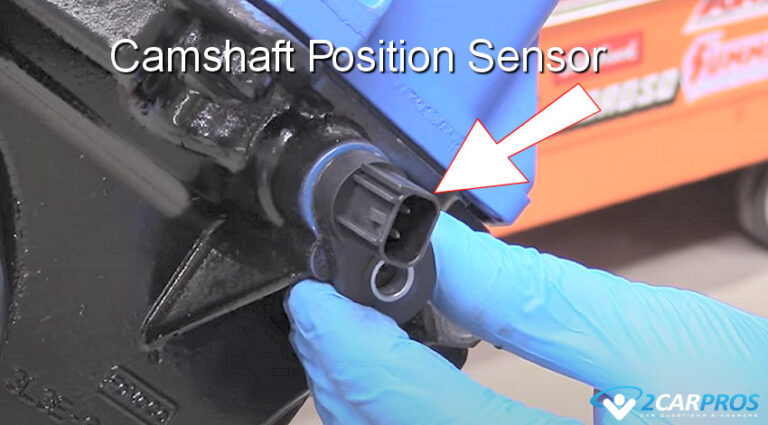
A camshaft position sensor monitors the position and rotation of the camshaft. The engine control module uses this information to manage fuel injection timing, ignition timing, and variable valve timing systems.
Without accurate camshaft position data, the engine may struggle to start, run poorly, misfire, or trigger diagnostic trouble codes.
Source: youtube.com
Engine Timing
Helps synchronize fuel and spark events.
Fuel Delivery
Supports precise injector operation.
Diagnostics
Allows the control module to monitor engine performance.
Why the Sensor Matters
Modern engines depend on accurate sensor signals. Even a small signal mismatch can affect drivability and emissions performance.
Reliable Operation
Correct sensor data supports smooth engine performance.
Are All Camshaft Sensors the Same?
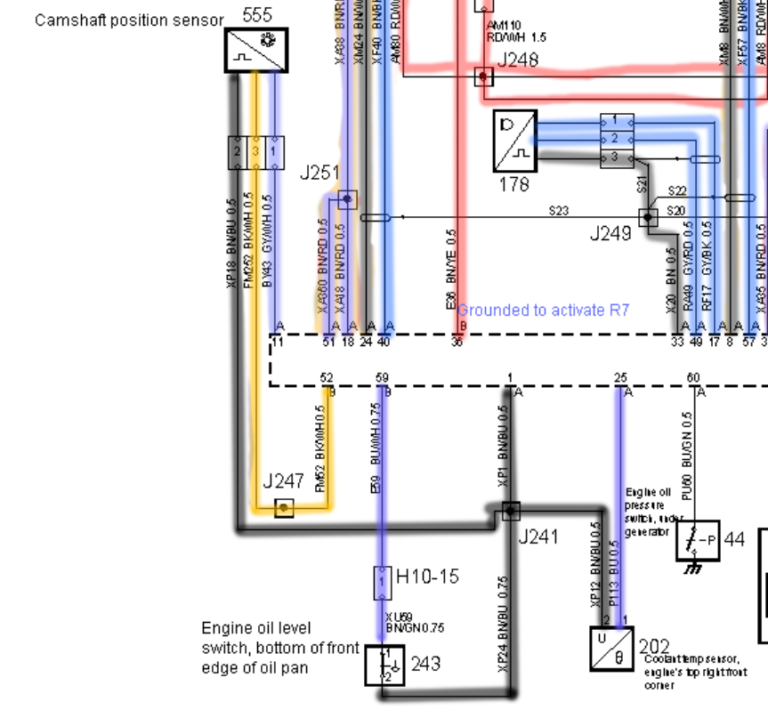
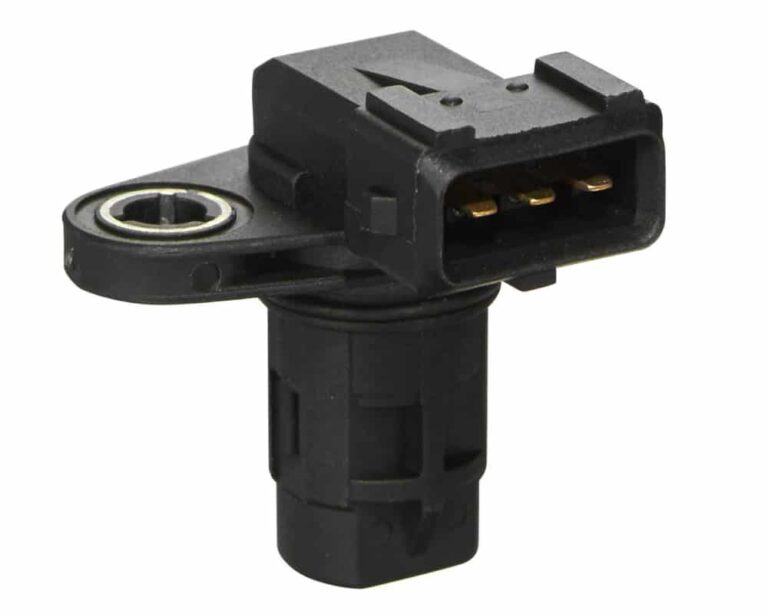
No. Camshaft position sensors differ in physical design, mounting style, electrical operation, and communication characteristics. Two sensors may look similar but produce different signals or use different connector arrangements.
Vehicle manufacturers design sensors to work with specific engine control systems. A sensor intended for one vehicle may not function correctly in another, even if it physically fits.
Source: carxplorer.com
Different Connectors
Pins and wiring layouts can vary.
Different Signals
Output characteristics are not always identical.
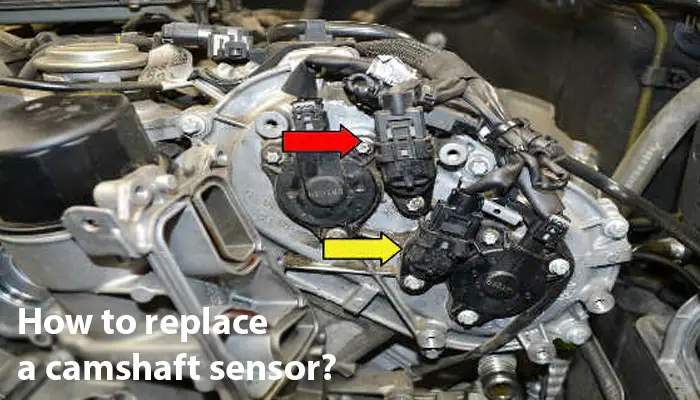
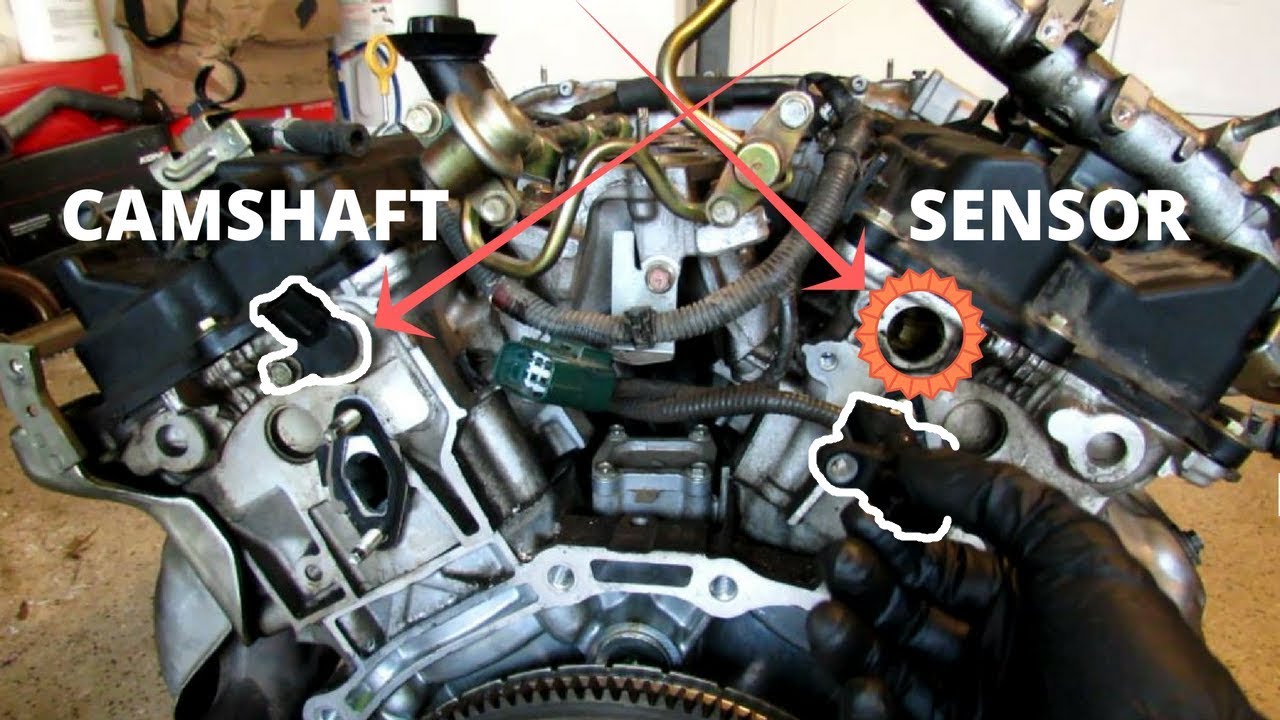
Different Mounting
Sensor length and mounting positions may differ.
Interchangeability Limits
Part numbers matter. Even sensors from the same manufacturer may serve completely different applications.
Verify Compatibility
Always match the replacement part to the vehicle application.
Common Types of Camshaft Sensors
Most vehicles use either Hall effect sensors or magnetic pickup sensors. Each design detects camshaft movement differently.
The engine control module is calibrated to interpret a specific sensor type. Replacing one design with an incompatible type can create faults.
Source: ar.inspiredpencil.com
Hall Effect Sensor
Uses an electronic signal and typically requires power and ground connections.
Magnetic Sensor
Generates a signal through magnetic induction.
Which Type Is Better?
Neither is universally better. The correct choice is the design specified by the vehicle manufacturer.
Factory Specification
Follow the original equipment requirement.
How to Choose the Correct Replacement Sensor
The safest approach is to match the replacement sensor to the vehicle’s year, make, model, engine size, and original equipment specifications.
Many vehicles have multiple engine options within the same model year. Confirming the exact engine code can prevent ordering errors.
Source: hitchesguide.com
Check Part Number
Compare the original and replacement part numbers.
Confirm Engine Details
Verify engine size and configuration.
Inspect Connector
Ensure the plug and wiring match exactly.
When OEM Matters
Some vehicles are sensitive to sensor quality and calibration. In those cases, original equipment or high-quality aftermarket parts are often preferred.
Quality Control
Accurate signal output helps prevent repeat repairs.
What Happens If You Install the Wrong Camshaft Sensor?
Installing the wrong sensor can cause immediate or intermittent problems. The engine control module may receive incorrect timing information or fail to recognize the sensor entirely.
Symptoms can range from a check engine light to hard starting, poor fuel economy, rough idle, reduced power, and stalling.
Source: hitchesguide.com
Check Engine Light
Diagnostic trouble codes may appear.
Starting Problems
The engine may crank longer than normal.
Performance Issues
Timing and fuel delivery may become inaccurate.
Signs the Replacement Is Incorrect
If symptoms remain after installation, recheck compatibility, wiring integrity, and diagnostic codes before replacing additional parts.
Persistent Fault Codes
Often indicate a compatibility or installation issue.
Frequently Asked Questions
Q
Can I use a camshaft sensor from another vehicle?
Only if the sensor is confirmed to be the exact compatible part. Similar appearance does not guarantee proper operation.
Q
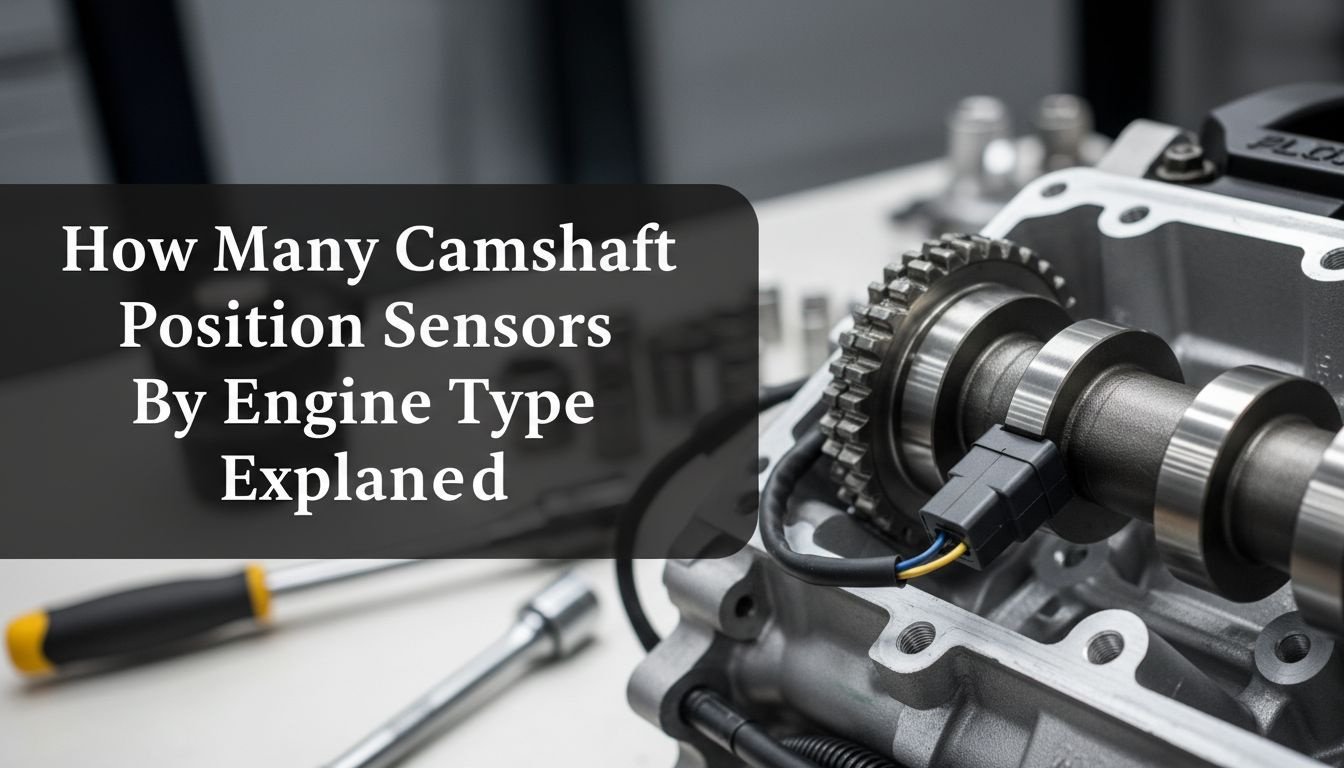
Do all engines have the same number of camshaft sensors?
No. Some engines have one sensor, while others use multiple sensors depending on engine design and valve timing systems.
Q
Can a bad camshaft sensor cause a no-start condition?
Yes. Some vehicles rely heavily on camshaft position data during startup and may be difficult or impossible to start when the sensor fails.
Q
Are aftermarket camshaft sensors reliable?
Many aftermarket sensors perform well when sourced from reputable manufacturers and matched correctly to the vehicle application.
Q
How do I know which camshaft sensor fits my car?
Use the vehicle year, make, model, engine size, and original part number to verify compatibility before purchasing.
✦ Wrapping Up
Conclusion
The answer to the question are all camshaft sensors the same is clearly no. Differences in design, electrical operation, connector configuration, and engine compatibility mean that sensors are not universally interchangeable.
Selecting the correct sensor for your specific vehicle helps ensure accurate engine timing, reliable performance, and successful repairs.
💡 Key Takeaway
Verify the exact vehicle application and part number before replacing a camshaft position sensor.
Ethan Brooks is an automotive writer at Auto News 7, covering car news, vehicle maintenance, new model updates, recalls, and practical buying guides. He focuses on clear, useful information that helps drivers understand their vehicles and make better ownership decisions.
Learn how to replace camshaft position sensor PT Cruiser models with this detailed step-by-step guide. Find symptoms, tools needed, replacement steps, troubleshooting tips, and common mistakes to avoid.
Learn how to rewire a camshaft position sensor safely. Follow step-by-step instructions, wiring checks, troubleshooting tips, and common repair mistakes.
Learn how much a camshaft position sensor costs, typical replacement prices in the USA, labor charges, symptoms of failure, and when replacement makes sense.
Learn how many ohms a camshaft sensor should have, why resistance varies by sensor type, and how to test a camshaft position sensor accurately with a multimeter.