How Hydraulic Brakes Work in a Car
Hydraulic brakes use brake fluid to carry pressure from your foot at the brake pedal to the wheels, where friction slows the car. The pedal, fluid-filled lines, and wheel brakes work as one system, with parts such as the brake booster and ABS helping control the effort and keep the car stable.
Does your brake pedal feel soft, sink slowly, or take more effort than it used to? Maybe you’re trying to make sense of a repair estimate and want to know what happens between your foot and the wheels.
I once spent time chasing a brake problem that seemed to point to a worn wheel-end part. The real clue was a pedal that felt different after the car sat overnight, and I’d been too quick to focus on the obvious noise. That kind of wrong turn is a common mistake, not a dumb one.
I wrote this to make the whole process easier to follow, from the pedal to the tires, without burying you in shop talk. It’s for drivers who want to understand how the system works, what common symptoms can mean, and when a brake concern needs a professional inspection.
If you get the basics right, you can describe a problem more clearly, recognize warning signs sooner, and make a more informed repair decision. Skip the basics, and a small change in pedal feel can be easy to dismiss until stopping takes longer.
This takes about 14 minutes to read. By the end, you’ll know how to:
- Trace the force from your foot to the brake pads or shoes.
- Tell what the master cylinder, booster, brake lines, and ABS do.
- Recognize common signs of air, leaks, worn parts, or other faults.
- Know which checks are safe to make and when to stop driving.
How Hydraulic Brakes Work: from Pedal Pressure to Stopping
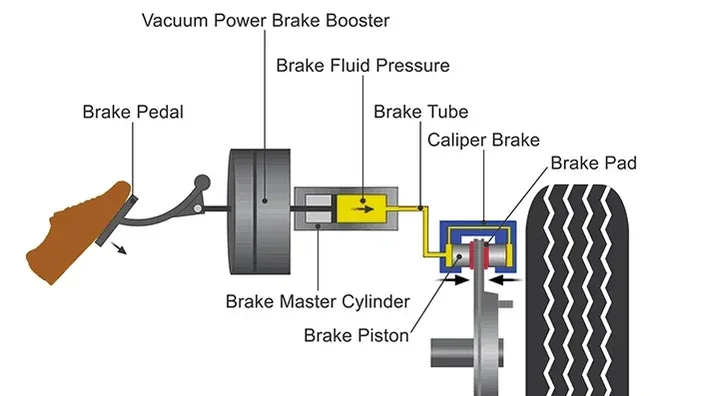
Hydraulic brakes turn force from your foot into clamping force at the wheels. The pedal moves a piston in the master cylinder, that piston pressurizes brake fluid, and the fluid carries pressure through the brake lines to the calipers or wheel cylinders.
The parts work in a chain. If one part leaks, sticks, traps air, or wears out, the pedal feel or stopping behavior can change. A car that stops smoothly on a dry road is the result of several parts sharing the work, not one magic component.
Here’s the basic sequence:
- You press the brake pedal.
- The pedal and linkage push the master cylinder, a small pump that pressurizes brake fluid.
- Pressurized fluid moves through brake lines and hoses to the wheel brakes.
- At disc brakes, caliper pistons push brake pads against a rotor. At drum brakes, wheel-cylinder pistons push brake shoes against the inside of a drum.
- Friction between the pads or shoes and the rotating parts slows the wheels. The tires then slow the car against the road.
The fluid does not provide the stopping force by itself. It transfers force from the pedal to the wheel brakes, where friction does the slowing. The car’s motion becomes heat in the rotors or drums, which is why repeated hard stops can make brakes hot.
A brake booster reduces how hard you need to press. Depending on the car, it may use engine vacuum or an electric system to add assistance. The brakes still have a mechanical connection to the pedal, but without boost, the pedal usually feels much harder.
Does pressing harder always make the car stop faster? More pedal force can raise brake pressure, but stopping distance also depends on tire grip, road conditions, speed, and the condition of the brakes. On a slick road, extra force can make wheels lose grip unless the car’s control systems manage it.
For a wider view of how the brake parts fit into the rest of the car, start with this guide to how car braking systems work.
Key Takeaways:
- Your foot starts the process, but friction at the wheels slows the car.
- Brake fluid carries pressure through the system; it isn’t a lubricant or a source of braking force.
- The booster reduces pedal effort, while the tires determine how much grip the car can use.
The Parts That Carry Pressure and Create Friction
Hydraulic brakes rely on a few main parts to carry pressure, apply the brakes, and release them. Knowing their jobs helps you make sense of a pedal change or a repair estimate without needing to memorize every part number.
Pedal, linkage, and booster
The brake pedal gives you leverage: its movement pushes a rod connected to the master cylinder. The brake booster helps multiply your input so you don’t need to press the pedal with all your strength. Some vehicles use a vacuum booster; others use an electric or hydraulic assist setup.
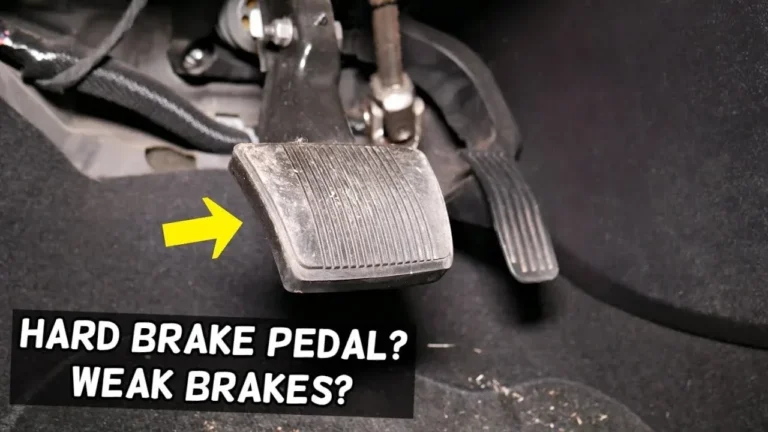
A booster fault can make a pedal feel unusually hard, often with reduced braking assistance. That isn’t the same as a soft pedal. The difference matters because “the brakes feel wrong” can point to very different checks.
Master cylinder and reservoir
The master cylinder turns pedal movement into fluid pressure. Most modern passenger cars use a tandem master cylinder, which has two pressure circuits in one assembly. The fluid reservoir sits above it and holds extra fluid so the system can operate as the brake pads wear and fluid moves through the circuits.
The reservoir’s markings show the safe fill range. A falling fluid level can come from normal pad wear, a leak, or another problem. Don’t treat a low level as a reason to simply top it off and move on. A mechanic needs to identify why the level dropped.
Brake lines and flexible hoses
Rigid brake lines carry fluid along the car’s frame or body. Flexible brake hoses connect the fixed lines to moving parts, such as a front wheel that turns with the steering. Hoses must flex without cracking, swelling, or rubbing against other parts.
A damaged line or hose can leak fluid or restrict flow. Either condition can affect braking. Rust, road debris, age, and poor routing can all play a part, so a visual look from outside the car won’t tell the whole story.
Calipers, pads, rotors, and drum brakes
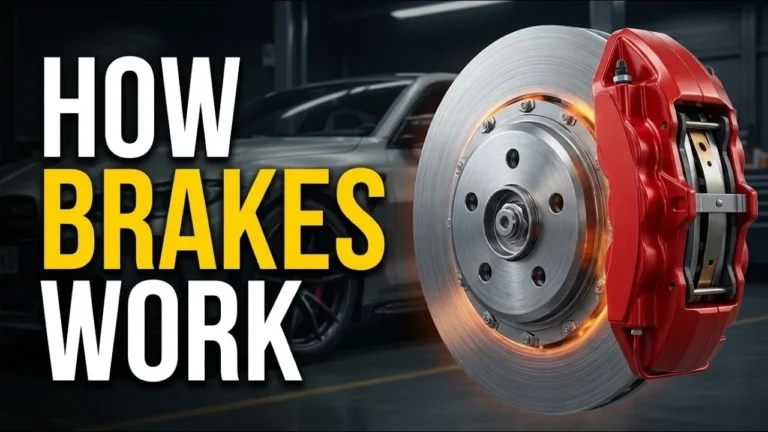
In a disc brake, the caliper holds the pads and moves them against the rotor when pressure reaches its piston. In a drum brake, a wheel cylinder pushes the shoes outward against a drum. Many cars use disc brakes at the front and either disc or drum brakes at the rear.
Brake pads and shoes are friction materials, made to press against the rotor or drum and slow it. Rotors and drums can wear, overheat, or become damaged. A squeal, grind, vibration, or pull can have several causes, so a symptom alone doesn’t confirm which part has failed.
My first instinct on a brake noise used to be to blame the pads. After looking closer, I found that the same kind of sound can come from more than one wheel-end problem. I learned to treat noise as a clue, not a diagnosis.
Pro Tip: When you describe a brake issue, note when it happens: while stopping, turning, backing up, or after the car has been parked. That detail can help a technician narrow down the inspection.
How Brake Fluid Transfers Pressure
Brake fluid transfers pressure through the hydraulic system because it resists compression under normal operating conditions. When the master cylinder pushes fluid through a closed system, pressure reaches the wheel brakes rather than being lost to the fluid squeezing smaller.
The idea is a practical version of Pascal’s law: pressure applied to a confined fluid is transmitted through that fluid. The master cylinder’s pistons and the wheel-end pistons have different sizes, and the system uses that arrangement to apply force where it’s needed.
Brake fluid also has to handle heat and move through narrow passages. Car makers specify a fluid type for each model, and the cap or owner’s manual usually gives the required specification. DOT 3, DOT 4, and DOT 5.1 fluids are glycol-based and can absorb moisture over time. DOT 5 is silicone-based and isn’t interchangeable with those glycol-based types. Never choose a fluid by its color or assume that a higher number is automatically a safe substitute.
Brake fluid can absorb water from the air, which can lower its boiling point. In hard or repeated braking, fluid that boils can form vapor bubbles. Vapor compresses more easily than liquid, so the pedal may feel soft or braking may weaken. This is one reason car makers specify fluid service intervals, though the interval varies by vehicle.
If you’re curious about the fluid’s job in more detail, read how brake fluid transfers pressure through the system.
A specific technical reference is helpful when you need to confirm what a vehicle’s fluid cap or manual requires. The U.S. Department of Transportation’s FMVSS No. 116 sets performance requirements and definitions for motor vehicle brake fluids.
What does air in the brake lines do? Air compresses much more than brake fluid, so part of your pedal movement can go into squeezing the air instead of applying the brakes. That’s why a soft or spongy pedal can be a warning sign, though a technician must inspect the system to find the cause.
Important Tip: Don’t add fluid that doesn’t match the specification for your car. The wrong type can cause damage or create a serious braking problem.
What Happens at the Wheels When You Press the Pedal
At the wheels, hydraulic pressure becomes friction that slows the rotating parts. Disc brakes squeeze pads against rotors; drum brakes press shoes against the inside of drums. The two designs do the same basic job but use different shapes and parts.
Disc brakes
A disc brake’s caliper piston moves outward when brake fluid pressure reaches it. That movement presses the pad or pads against the rotor. As the rotor turns with the wheel, contact creates friction and slows rotation.
When you release the pedal, pressure drops and the pads stop clamping with the same force. The pads remain close to the rotor, ready for the next stop. Brake drag can happen if a caliper, slide, or related part doesn’t release properly, but the cause needs an inspection.
Drum brakes
A drum brake uses a wheel cylinder to push brake shoes outward against the drum. Return springs help pull the shoes away when the pressure releases. Drum brakes can keep dust and debris enclosed inside the drum, which can make a proper inspection more involved.
Many drivers hear “drums” and assume the system is old or unsafe. That’s not a fair conclusion by itself. The design, condition, and maintenance matter more than the name. Some cars use drum brakes on the rear axle, where braking demands and packaging differ from the front.
Why the front brakes often do more work
When a car slows, weight shifts toward the front. That raises the load on the front tires, so front brakes often handle a larger share of the stopping work. Brake systems are designed to manage that difference, and the front and rear parts may not be the same size or design.
A car that pulls to one side during braking may have a brake issue, but tire condition, alignment, suspension parts, and road surface can also affect the way it tracks. Don’t assume a pull means one specific brake part has failed.
Does a new set of pads fix every brake noise? No. Noise can come from wear, contamination, loose or damaged parts, rotor condition, or how the pads contact the rotor. A technician needs to inspect the full wheel-end assembly before recommending a repair.
I once saw how easy it is to focus on the part that makes the sound and miss the way the whole wheel assembly behaves. Since then, I’ve treated a noise during braking as a reason to check the full corner, not a cue to order one part.
How Dual Circuits, ABS, and Stability Controls Help
Most modern hydraulic brake systems divide braking pressure into separate circuits, so a single leak doesn’t necessarily remove all braking ability. Anti-lock braking system (ABS) controls wheel pressure when a tire is close to locking, while stability systems can use the brakes to help manage a skid.
Two hydraulic circuits
A tandem master cylinder feeds two circuits. Many passenger cars split the circuits diagonally, with one front wheel and the opposite rear wheel on each circuit; some vehicles use a front-to-rear split instead. The layout depends on the vehicle.
If one circuit fails, the other may still provide some braking. That doesn’t mean the car is safe to keep driving. The pedal may travel farther, braking may be reduced, and the car may be harder to control. A brake warning light or sudden pedal change calls for prompt attention.
ABS and wheel-speed sensors
ABS uses wheel-speed sensors to monitor how fast each wheel turns. If a wheel is about to lock during braking, the ABS control unit can adjust hydraulic pressure to that wheel. You may feel a quick pulsing in the pedal during an ABS stop. That can be normal system activity, not a pedal failure.
ABS can help you steer while braking hard, but it can’t create tire grip. It won’t make a car stop on ice like it’s on dry pavement. Keep your foot on the brake during an ABS event and steer where you need to go, following your vehicle’s manual for system-specific guidance.
Electronic stability control
Electronic stability control (ESC) can apply braking at individual wheels to help the car follow the driver’s intended path. ESC works with sensors and the brake system, but it doesn’t replace careful speed choices or good tires.
What should you do if the ABS warning light stays on? Have the system checked soon, because the anti-lock feature may not work as intended. A basic hydraulic braking function may remain, but don’t assume the car will behave normally in a hard stop. Your owner’s manual can explain what the exact warning light means.
Brake Symptoms, Causes, and Safe Next Steps
Brake symptoms can point to a problem, but no single sound or pedal feel confirms the cause. Pay attention to changes, avoid risky tests on public roads, and get a qualified inspection when braking feels different or a warning light appears.
| Symptom | Possible causes | Practical next step |
|---|---|---|
| Soft or spongy pedal | Air in the system, fluid leak, or another hydraulic fault | Don’t keep driving if braking is reduced; arrange an inspection |
| Pedal slowly sinks while held | Hydraulic leak or master cylinder problem | Stop driving and seek professional help |
| Hard pedal | Loss of booster assistance or a problem in the assist system | Avoid driving if stopping takes much more effort |
| Grinding sound | Worn friction material or damaged parts | Have the brakes inspected promptly |
| Vehicle pulls while braking | Uneven braking, tire issue, or suspension problem | Get the cause checked before relying on the car |
| Brake warning light | Low fluid, parking brake status, or system fault | Check the manual; arrange service if the light stays on |
A pedal that feels soft or sinks
A soft pedal may mean the system has air in it, but a leak or another fault can cause similar symptoms. A pedal that sinks slowly while you hold steady pressure is especially concerning. Don’t keep pumping the pedal to make the problem seem better and then drive as usual.
A hard pedal or longer stopping distance
A hard pedal can mean the brake booster isn’t providing normal assistance. Longer stopping distance may also result from worn brakes, low tire grip, a loaded vehicle, wet roads, or other problems. If the pedal suddenly feels much harder or the car takes longer to stop, pull over somewhere safe and arrange help.
Noise, vibration, or a pull
A squeal may come from friction material or another part, while grinding can signal that parts are contacting in a damaging way. A vibration through the pedal or steering wheel can have several causes, including rotor condition or issues outside the brakes. A pull can also come from tires or suspension parts.
A brake noise can be annoying, but don’t let the sound make the repair decision for you. A proper inspection checks both sides of the axle and the parts that guide and release the brakes.
Safety Tip: If the pedal sinks, braking is weak, fluid is leaking, or the car won’t stop normally, don’t drive it to a shop. Park in a safe place and arrange a tow or qualified roadside help.
How much brake fluid should you add when the level is low? Don’t guess or fill above the reservoir’s marked range. A low level may be a clue to pad wear or a leak, and adding fluid can hide that clue without fixing the cause.
Key Takeaways:
- A changed pedal feel or a fluid leak calls for prompt attention, not repeated road tests.
- Brake symptoms can overlap, so a technician should confirm the cause before parts are replaced.
- If normal stopping is in doubt, stop driving and arrange professional help.
Brake Maintenance, Repair Choices, and What Not to DIY
Brake maintenance works best when it follows the car maker’s schedule and responds to real symptoms. Fluid type, service interval, friction-part limits, and inspection details vary by vehicle, so the owner’s manual and repair information are better guides than a one-size-fits-all rule.
Check the right information first
The owner’s manual can tell you which brake fluid specification the car needs and when the maker calls for service. A repair shop can inspect pad or shoe thickness, rotor or drum condition, hoses, lines, calipers, wheel cylinders, and the parking brake.
You can look for obvious signs, such as a brake warning light or fluid visibly leaking near a wheel, but a quick look won’t confirm that all parts are safe. Don’t crawl under a car supported only by a jack or reach near hot brake parts. The system can stay hot after a drive.
Understand what a repair estimate includes
A brake estimate may include friction parts, rotors or drums, caliper hardware, fluid service, or diagnosis. Ask what the inspection found and whether the estimate covers both sides of an axle. A part can look acceptable at a glance and still need a closer measurement or function check.
If a shop recommends replacing a caliper, ask what evidence points to that part: a leak, sticking piston, uneven wear, or another finding. Clear answers help you understand the repair without turning the conversation into a contest.
When you press the pedal, the pedal linkage and master cylinder begin a chain that reaches the wheels. This guide on what happens when you press the brake pedal follows that first step in greater detail.
Can you tell from the fluid color whether it needs replacing? No. Color alone doesn’t give a reliable answer about the fluid’s condition, moisture content, or whether the fluid type is correct. Use the vehicle maker’s service guidance and have a qualified technician assess it.
DIY work needs the right tools and training
Some brake jobs look simple in a short video, but the work involves safety-critical parts and can require proper lifting equipment, correct torque values, fluid handling, and a suitable bleeding procedure. A mistake can leave air in the system, damage a component, or create a leak that isn’t obvious until the brakes are used.
I’ve seen how a job can look finished before the system has been checked properly. That’s why I wouldn’t treat a firm-looking pedal in the driveway as proof that a brake repair is ready for the road.
Pro Tip: If you’re comparing repair estimates, ask for the findings, the parts being replaced, and the reason for each one. A clear explanation is more useful than a vague promise that the brakes will be “taken care of.”
FAQs About How Hydraulic Brakes Work
How do hydraulic brakes stop a car?
Hydraulic brakes use brake fluid to transfer pressure from the master cylinder to the wheel brakes. Caliper pistons press pads against rotors, or wheel cylinders press shoes against drums. Friction slows the rotating wheels, and the tires slow the car against the road.
Why does a hydraulic brake pedal feel soft?
A soft or spongy pedal can mean air has entered the brake lines, but a fluid leak or another hydraulic problem can cause similar symptoms. Brake fluid transfers pressure best when the system is sealed and free of compressible air. A technician should inspect the system before the car is driven again.
Do hydraulic brakes work if the engine is off?
Yes, the hydraulic brakes can still apply when the engine is off, but the booster may provide less assistance after stored assist is used. The pedal can feel much harder, so the car may need more force to stop. Don’t use this as a test on public roads.
Can I drive with a brake fluid leak?
No. A brake fluid leak can reduce hydraulic pressure and weaken or disable braking. If you notice fluid near a wheel, a low reservoir, or a sudden pedal change, park safely and arrange a tow or roadside help. Adding fluid doesn’t repair the leak or make continued driving safe.
What is the difference between disc and drum brakes?
Disc brakes use calipers to press pads against rotors. Drum brakes use wheel cylinders to press shoes against the inside of drums. Both create friction to slow a wheel, but they use different parts and service procedures. A car may have discs on one axle and drums on the other.
Does ABS replace hydraulic brakes?
No. ABS works with the hydraulic brakes by adjusting pressure when a wheel is close to locking. The system can help preserve steering control during a hard stop, but it still relies on the brakes and tire grip. ABS doesn’t make stopping distance disappear on a slick road.
How often should brake fluid be changed?
The service interval depends on the vehicle maker’s schedule, fluid specification, and operating conditions. Check the owner’s manual or ask a qualified technician to confirm the correct interval for your car. Brake fluid that looks clear isn’t proof that it meets the maker’s service requirements.
What to Remember Before Your Next Drive
Hydraulic brakes turn pedal force into wheel pressure, then use friction to slow the car. That process depends on a sealed hydraulic system, working wheel brakes, and tires with enough grip for the road. When each part does its job, braking feels steady and predictable.
In my view, the most useful thing you can do as a driver is notice changes early. A hard pedal, a soft pedal, a warning light, a leak, or a new grinding sound deserves attention, even if the car still moves normally. Brakes aren’t a good place to wait and hope.
Your next step is simple: check your owner’s manual for the specified brake fluid and service guidance, then arrange an inspection if the pedal, sound, warning lights, or stopping behavior has changed. A clear description of what you noticed can help the shop start in the right place.