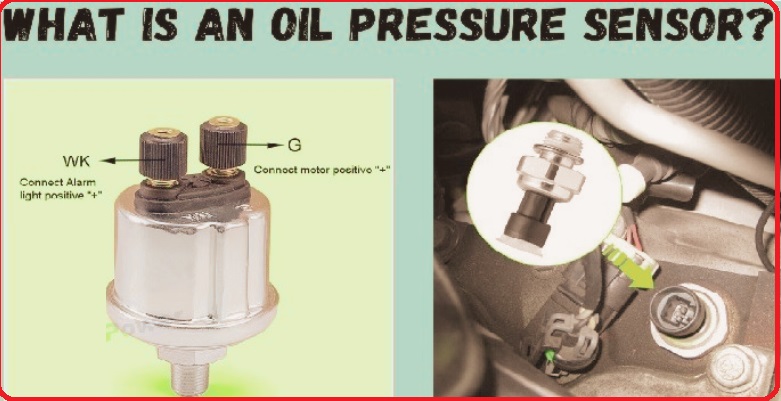
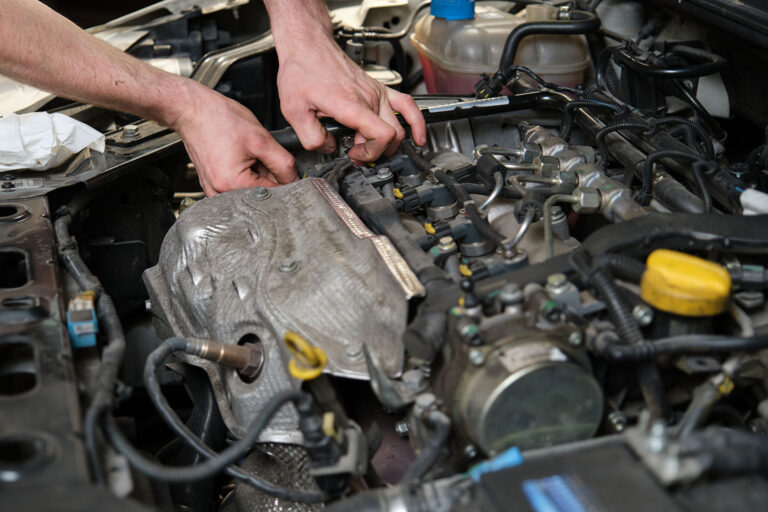
The most common OBD-II code associated with an oil pressure sensor or switch circuit is P0520. Related codes include P0521, P0522, P0523, P0524, and, on some vehicles, P0525 and other manufacturer-specific codes. The exact meaning depends on the vehicle and the diagnostic code stored by its computer.
In the United States, drivers may see an oil pressure warning or check engine light on vehicles that use an electronic oil pressure sensor or switch. A diagnostic scan can reveal a code such as P0520, but the code alone does not prove that the sensor has failed. Wiring faults, connector problems, an incorrect sensor signal, and genuine low engine oil pressure can produce related warnings or diagnostic trouble codes.
The safest approach is to identify the exact code, check the engine oil level, and follow the manufacturer’s diagnostic procedure. If the red oil pressure warning remains on while the engine is running, or the engine makes unusual knocking or rattling noises, stop the engine as soon as it is safe. Driving with genuinely low oil pressure can cause severe engine damage.
Source: carbuzz.com
What Is the Most Common Oil Pressure Sensor Code?
P0520 is the most widely recognized general OBD-II code associated with an engine oil pressure sensor or switch circuit malfunction. It means the powertrain control module has detected a problem with the monitored oil pressure sensor or switch circuit. It does not automatically mean that the sensor itself needs replacement.
Other codes in the P0520 family describe different signal or pressure conditions. The precise diagnostic wording can vary by manufacturer, engine, and model year, so confirm the definition in service information for the specific vehicle.
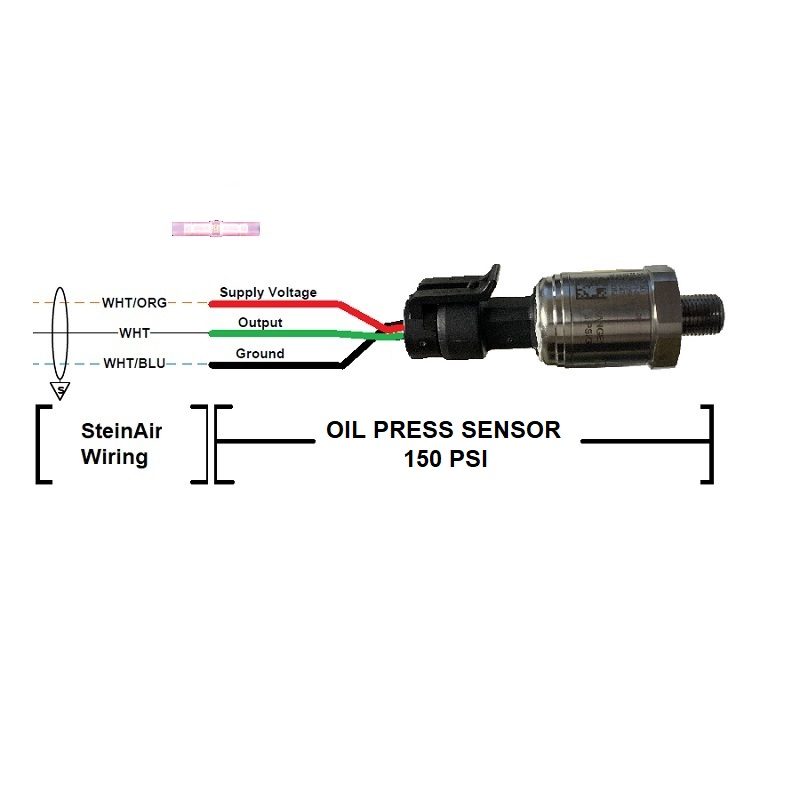
Source: theengineeringknowledge.com
P0520
Engine oil pressure sensor or switch circuit malfunction.
P0521
Engine oil pressure sensor or switch range or performance problem.
P0522
Engine oil pressure sensor or switch circuit low input.
P0523
Engine oil pressure sensor or switch circuit high input.
P0524
Engine oil pressure too low, as detected by the vehicle’s monitoring system.
Does Every Vehicle Use the Same Oil Pressure Sensor Code?
No. Although standardized OBD-II codes have common definitions, manufacturers can use different diagnostic strategies, additional codes, and model-specific procedures. Some vehicles use a simple on-off oil pressure switch, while others use a sensor that provides a changing electrical signal to the engine computer.
The engine computer may also monitor oil pressure control systems, oil pressure regulation, or related components. For that reason, a code involving oil pressure does not always point to the sensor circuit alone.
Confirm the exact code
Record the complete code, including any additional manufacturer-specific characters, and look up its definition for the vehicle.
Check the service information
Use the vehicle identification number, engine type, and model year to find the correct wiring diagram and diagnostic procedure.
Oil Pressure Sensor Codes and Their Meanings
The following table summarizes common general OBD-II codes associated with oil pressure sensing and related monitoring. Use it as an initial reference, not as a substitute for manufacturer-specific diagnostic information.
The distinction between a circuit code and a low-pressure code matters. Electrical faults may cause an incorrect reading even when mechanical oil pressure is normal. Conversely, a low-pressure reading can reflect a genuine lubrication problem that requires immediate attention.
Source: carsensorhub.com
Circuit malfunction
A monitored electrical circuit does not behave as expected. The cause may involve the sensor, wiring, connector, power supply, ground, or control module.
Low input
The computer detects a signal below its expected range. A short to ground, failed sensor, damaged wiring, or another circuit fault may be responsible.
High input
The computer detects a signal above its expected range. An open circuit, short to voltage, sensor fault, or wiring issue may cause this condition.
Actual low pressure
The monitored pressure is below the expected threshold. Low oil level, oil pump problems, internal engine wear, or restricted oil flow may be involved.
What Do P0525 and Other Related Codes Mean?
P0525 is generally associated with an engine oil pressure control solenoid circuit problem, rather than being interchangeable with P0520. Depending on the vehicle, additional oil pressure codes may cover sensor performance, pressure regulation, or specific control circuits.
Do not assume that every code beginning with P052 identifies a defective oil pressure sensor. Read the complete code description and check whether the vehicle uses a pressure sensor, a pressure switch, or an electronically controlled oil pressure system.
Multiple codes present
Record all stored and pending codes before clearing anything. Their combination and freeze-frame data may help identify a shared wiring fault or a real pressure problem.
Code returns after clearing
A recurring code indicates that the monitored fault may still be present. Continue diagnosis rather than repeatedly erasing the warning.
Symptoms of an Oil Pressure Sensor Trouble Code
An oil pressure sensor-related code may trigger a check engine light, an oil pressure warning, an abnormal dashboard reading, or a warning that appears intermittently. Some vehicles may enter a protective operating mode when an oil pressure or pressure-control fault is detected.
Symptoms alone cannot distinguish a faulty sensor from real low oil pressure. An inaccurate gauge reading may result from an electrical fault, while engine noise or a persistent low-pressure warning can indicate a potentially serious lubrication problem.
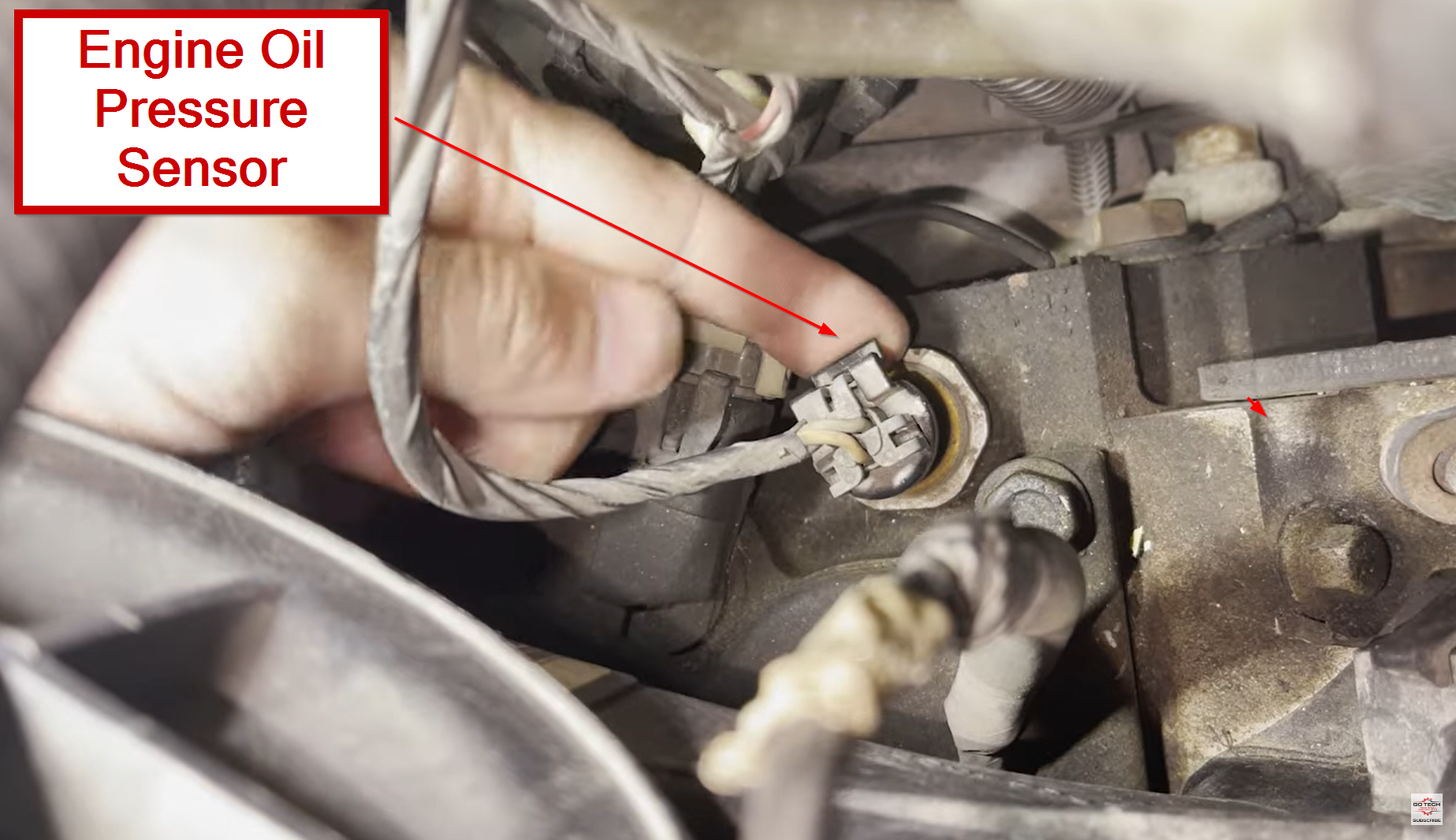
Source: www.youtube.com > Course Solutions
Oil pressure warning
The dashboard warning remains illuminated or appears intermittently while the engine runs.
Unusual pressure reading
A gauge may show zero, an unusually high value, or a reading that changes unexpectedly.
Check engine light
The engine computer stores a related diagnostic trouble code.
Engine noise
Knocking, ticking, or rattling can indicate inadequate lubrication and should not be dismissed as a sensor issue.
Oil leakage near the sensor
Oil around the sensor or its mounting point may indicate a damaged seal, loose fitting, or leaking sensor housing.
Can You Drive With an Oil Pressure Sensor Code?
A stored circuit code does not automatically establish that engine oil pressure is dangerously low. However, a driver should not assume the engine is safe merely because the code mentions a sensor. If the red oil pressure warning stays on, the gauge indicates no pressure, or unusual engine noise develops, stop in a safe place and shut off the engine.
Check the oil level after the vehicle is parked safely and follow the owner’s manual. Adding oil may correct a low oil level, but it will not fix every pressure problem. If the warning persists, arrange a professional inspection or towing rather than continuing to drive.
Stop the engine
Do this promptly when a low oil pressure warning persists or engine noises suggest a lubrication problem.
Check the oil level
Use the procedure specified in the owner’s manual and look for signs of a significant leak.
Seek diagnosis
Have actual oil pressure verified before concluding that the sensor is the only problem.
How to Diagnose an Oil Pressure Sensor Code
Diagnose the code by checking the oil level and warning symptoms first, then examining the stored diagnostic data, wiring, sensor signal, and actual engine oil pressure as appropriate. This sequence helps prevent unnecessary sensor replacement and reduces the risk of running an engine with insufficient lubrication.
You will generally need an OBD-II scan tool, the vehicle’s service information, and suitable electrical test equipment. A mechanical oil pressure gauge may also be needed to confirm actual pressure. Some vehicles require manufacturer-specific scan tools or procedures.
Source: fity.club
1. Verify the oil level
Park safely and check the level according to the owner’s manual. If the oil is very low, investigate why before restarting the engine.
2. Read the diagnostic codes
Record stored and pending codes and available freeze-frame data. Do not erase them before recording the information.
3. Inspect the connector and wiring
Look for damaged insulation, loose connections, corrosion, oil intrusion, or wiring that has contacted hot or moving engine parts.
4. Test the electrical circuit
Use the correct wiring diagram and specified voltage, resistance, or signal tests. Do not assume all sensors use the same pin arrangement or test values.
5. Verify mechanical oil pressure
When symptoms or diagnostic results raise concern about low pressure, measure pressure with an appropriate mechanical gauge and compare the result with the manufacturer’s specifications.
How a Mechanical Oil Pressure Test Helps
A mechanical gauge measures oil pressure independently of the vehicle’s electronic sensor signal. If measured pressure meets the manufacturer’s specification while the dashboard reading or sensor data remains implausible, the fault may lie in the sensor or its circuit. If measured pressure is below specification, investigate the lubrication system instead of replacing the sensor without further testing.
Oil pressure specifications vary with engine design, oil temperature, and engine speed. Use the correct test conditions for the specific engine rather than relying on a universal pressure figure.
Normal mechanical pressure
Continue with sensor signal, wiring, connector, and control-system diagnosis.
Low mechanical pressure
Investigate oil level, oil condition, filter restrictions, pickup restrictions, pump operation, and internal engine wear as appropriate.
Uncertain result
Have a qualified technician repeat the test using the correct adapter, gauge, oil temperature, and engine speed.
What Causes an Oil Pressure Sensor Code?
An oil pressure code can result from an electrical fault, a failed sensing component, or a real oil pressure problem. The correct repair depends on the exact code and the results of testing, not simply on the presence of a check engine light.
Because the sensor reports information about the lubrication system, an electrical problem and a mechanical problem can sometimes produce similar dashboard symptoms. Confirming actual oil pressure is especially important when the warning is persistent or the engine is noisy.
Source: carbuzz.com
Defective oil pressure sensor or switch
An internal failure can cause the output signal or switching behavior to fall outside the expected range.
Damaged wiring
An open wire, short circuit, damaged insulation, or poor connection can interfere with the sensor signal.
Connector corrosion or contamination
Moisture, corrosion, or oil contamination can compromise an electrical connection.
Low engine oil level
Insufficient oil can cause genuinely low pressure and may indicate a leak or excessive oil consumption.
Oil pump or lubrication-system fault
Pump wear, restricted oil passages, a blocked pickup, or excessive internal clearances may reduce pressure.
Oil pressure control problem
On engines with electronically controlled oil pressure, a control solenoid or related component may cause a separate pressure-control code.
Should You Replace the Sensor When P0520 Appears?
Not automatically. P0520 identifies a circuit malfunction, so inspect the connector and wiring and follow the diagnostic procedure before ordering a replacement. A sensor replacement may solve the problem if testing confirms that the sensor is faulty, but it will not correct a damaged harness, an electrical supply issue, or genuinely low oil pressure.
If replacement is required, use a part that matches the vehicle’s engine and manufacturer specifications. Follow the specified tightening torque and sealing procedure to avoid damaging the mounting threads, creating a leak, or causing a new electrical fault.
Replace after confirmation
Install a new sensor or switch when test results identify it as the cause.
Repair the circuit when necessary
Correct damaged wires, poor terminals, or connector faults and then verify the repair.
Investigate low pressure separately
Do not treat a mechanical lubrication problem as a sensor replacement job.
How to Clear an Oil Pressure Sensor Code After Repair
After the underlying problem has been repaired and the engine is safe to operate, use an OBD-II scan tool to clear the stored code if the manufacturer’s procedure permits it. Some codes may clear after successful drive cycles, while others require a scan tool or additional verification.
Clearing a code does not repair the fault. If the code returns, record the new code and operating conditions, then continue diagnosis. Do not repeatedly erase an oil pressure warning to conceal a problem or keep driving when actual oil pressure has not been verified.
Source: theengineeringknowledge.com
Confirm the repair
Check that the connector is secure, wiring is correctly routed, oil level is correct, and any disturbed fittings are leak-free.
Clear codes when appropriate
Follow the scan tool and manufacturer instructions after completing the repair.
Recheck system operation
Confirm that the warning is absent and that scan data or gauge readings are plausible under the specified test conditions.
Investigate recurring faults
If the same or a related code returns, diagnose the remaining circuit or mechanical problem rather than replacing parts at random.
When Professional Diagnosis Is the Better Choice
Seek professional help when the red oil pressure warning persists, the engine makes abnormal mechanical noise, measured pressure is below specification, or the diagnostic procedure requires specialized equipment. Electrical testing around hot engine components also carries burn and short-circuit risks.
If the engine has lost oil or appears to have a serious lubrication problem, do not restart it simply to see whether the code returns. Arrange towing or qualified assistance.
Persistent warning
Have actual oil pressure checked before driving further.
Complex electrical fault
Use a technician with the correct wiring diagrams and diagnostic equipment.
Frequently Asked Questions
Q
What is the code for a bad oil pressure sensor?
P0520 is a common code associated with an oil pressure sensor or switch circuit malfunction. P0521, P0522, and P0523 indicate related range, performance, or signal-level problems. None of these codes proves by itself that the sensor is defective; diagnosis is required.
Q
Does P0520 mean low oil pressure?
Not necessarily. P0520 generally identifies a sensor or switch circuit malfunction rather than confirming that mechanical oil pressure is too low. Check the oil level, inspect the electrical circuit, and measure actual pressure when indicated by the symptoms or diagnostic procedure.
Q
What is the difference between P0522 and P0523?
P0522 generally indicates a low input signal from the oil pressure sensor or switch circuit, while P0523 generally indicates a high input signal. The cause may be a sensor fault or an electrical problem, and the correct tests depend on the vehicle’s circuit design.
Q
Can low engine oil cause an oil pressure sensor code?
Yes, low oil can cause genuine low oil pressure and may trigger a pressure-related code or warning, depending on the vehicle’s monitoring system. Check the oil level using the owner’s manual procedure, look for leaks, and do not keep running an engine with a persistent low-pressure warning.
Q
Will replacing the oil pressure sensor turn off the check engine light?
It may if testing confirms that the sensor is defective and the replacement corrects the fault. If damaged wiring, a connector problem, low oil pressure, or a pressure-control issue caused the code, replacing the sensor alone will not solve it. The code may need to be cleared with a scan tool after the repair.
Q
Can I drive with code P0520?
A P0520 code alone does not establish whether actual oil pressure is safe. If the red oil pressure warning remains on, the gauge shows no pressure, or the engine makes knocking or rattling noises, stop safely and shut off the engine. Have the pressure and electrical system checked before continuing to drive.
Q
How do I know whether the sensor or the oil pump is bad?
A mechanical oil pressure test can help separate an inaccurate electronic reading from genuine low pressure. Normal measured pressure with an abnormal sensor signal points toward further electrical or sensor diagnosis. Low measured pressure requires investigation of the lubrication system, which may include the oil pump, pickup, filter, oil passages, and engine clearances.
✦ Wrapping Up
Conclusion
P0520 is a common OBD-II code for an oil pressure sensor or switch circuit malfunction, while P0521, P0522, P0523, and P0524 describe related but different conditions. The exact code definition and diagnostic procedure depend on the vehicle, so consult the correct service information before replacing parts.
Start with the oil level, record the diagnostic codes, and inspect the sensor wiring and connector. When a warning or symptom suggests genuinely low oil pressure, verify it with the specified mechanical test rather than assuming the sensor is responsible. This approach helps prevent unnecessary repairs and protects the engine from avoidable damage.
💡 Key Takeaway
Read and record the complete OBD-II code, check the engine oil level, and confirm whether actual oil pressure is safe before replacing the sensor or driving with a persistent oil pressure warning.
Ethan Brooks is an automotive writer at Auto News 7, covering car news, vehicle maintenance, new model updates, recalls, and practical buying guides. He focuses on clear, useful information that helps drivers understand their vehicles and make better ownership decisions.
Learn how much a camshaft position sensor costs, typical replacement prices in the USA, labor charges, symptoms of failure, and when replacement makes sense.
Learn how to unplug an oil pressure sensor safely, identify the electrical connector, release its locking tab, inspect the wiring, and avoid common mistakes.
Learn whether spark plugs can cause a knock sensor code, how ignition problems affect engine knock detection, common symptoms, diagnosis steps, and repair options.
Learn how to replace camshaft position sensor bank 1 with a clear step-by-step process, required tools, troubleshooting tips, and safety advice for DIY vehicle owners in the USA.