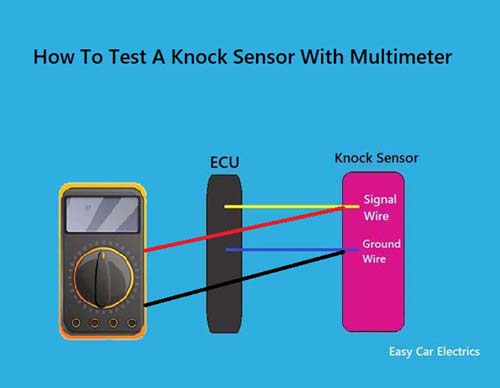
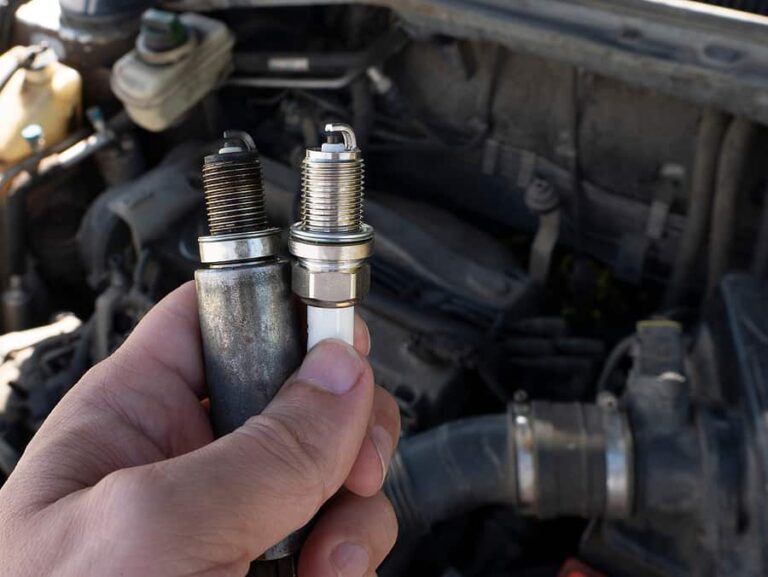
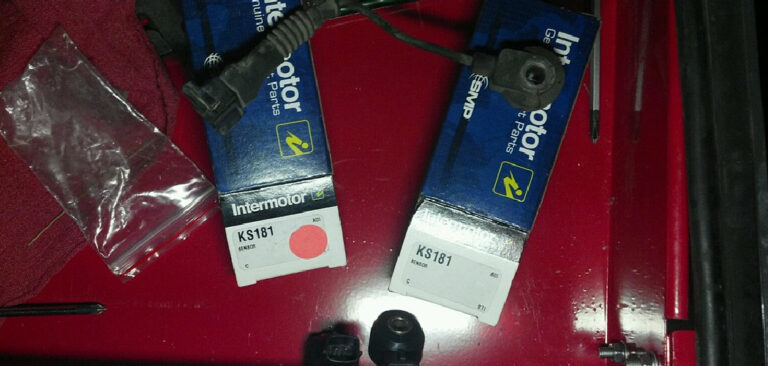
Knock sensors do not fail frequently, but many last 100,000 miles or more before problems appear.
In the United States, many drivers never replace a knock sensor during the normal ownership period of a vehicle. These sensors are designed to operate for years in harsh engine conditions, including heat, vibration, and constant temperature changes.
When people ask how often do knock sensors go bad, the answer depends on vehicle age, mileage, engine conditions, wiring quality, and exposure to moisture or corrosion. While knock sensors are generally durable, failures become more common as vehicles accumulate higher mileage and engine components age.
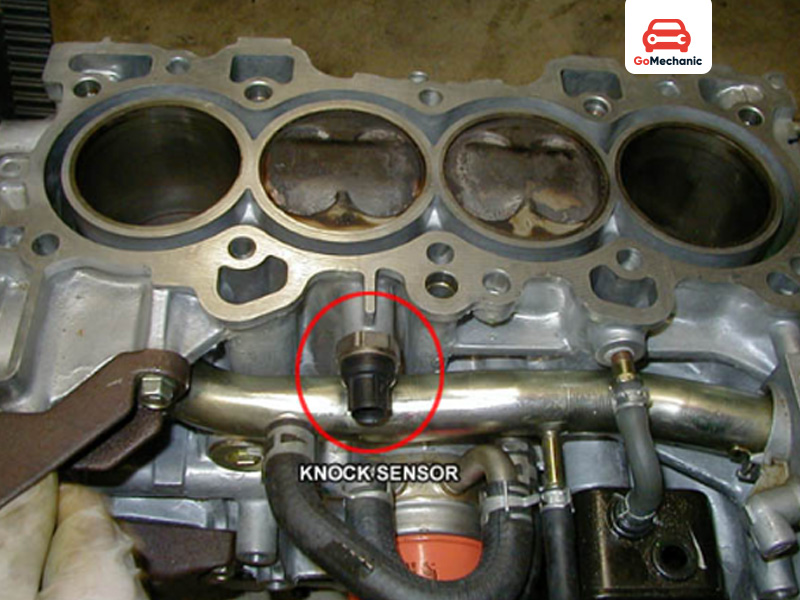
Source: blogs.gomechanic.com
How Often Do Knock Sensors Go Bad?
Knock sensors are considered long-life engine components. Unlike wear items such as spark plugs or belts, they do not have a fixed replacement interval. Many remain functional for the life of the vehicle, while others fail after years of exposure to engine heat and vibration.
Most failures occur on older vehicles with significant mileage. Drivers commonly encounter knock sensor issues between 100,000 and 150,000 miles, although some sensors fail earlier due to environmental factors or electrical problems.
Source: hopetownlodge.com
Low failure rate
Knock sensors are generally reliable and do not fail as often as many other engine sensors.
Mileage matters
Higher-mileage vehicles are more likely to experience sensor degradation.
Vehicle-specific lifespan
Design, location, and engine conditions affect longevity.
Average Knock Sensor Lifespan
Although manufacturers rarely specify a replacement schedule, a knock sensor often lasts 10 years or longer. In many cases, the sensor remains operational until another engine repair exposes a fault.
Because the sensor is mounted directly on the engine block, it experiences constant thermal cycling and vibration. Over time, these conditions can weaken internal electronic components.
Typical service life
Frequently exceeds 100,000 miles.
Long-term durability
Many sensors continue working beyond 150,000 miles.
What Causes a Knock Sensor to Fail?
Knock sensor failures are usually caused by age-related deterioration, electrical faults, or environmental damage. Since the sensor works in a demanding location, repeated exposure to heat and vibration can eventually affect its accuracy.
In some cases, the sensor itself remains functional, but damaged wiring, loose connectors, or corrosion create fault codes that mimic a failed sensor.
Source: mechanicsdiary.com
Heat exposure
Continuous engine heat can degrade internal electronics.
Vibration damage
Constant engine movement may weaken sensor components.
Corrosion
Moisture intrusion can damage connectors and wiring.
Common Failure Sources
Oil leaks, coolant leaks, and poor electrical connections can shorten sensor life. Physical damage during engine repairs can also cause premature failure.
Vehicles driven in regions with extreme temperatures may experience accelerated sensor wear compared with vehicles operating in moderate climates.
Fluid contamination
Oil and coolant exposure may affect wiring and connectors.
Electrical issues
Broken wires and connector problems are common causes of diagnostic codes.
Symptoms of a Bad Knock Sensor
A failing knock sensor can affect engine performance because the engine control module relies on accurate knock detection to adjust ignition timing.
Symptoms can range from a simple check engine light to noticeable power loss, reduced fuel economy, or engine hesitation during acceleration.
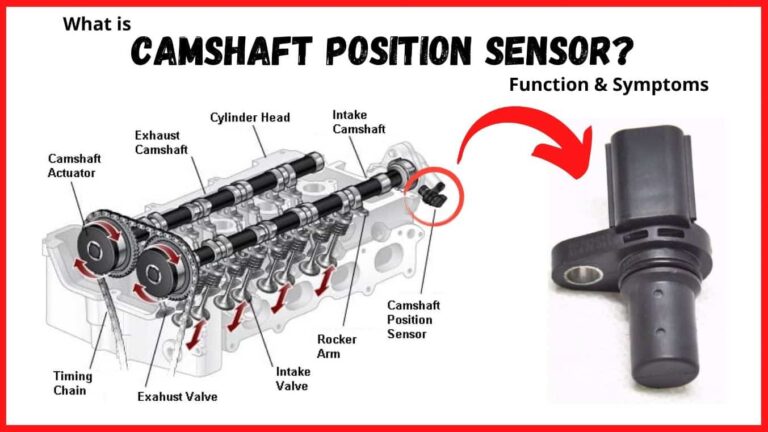
Source: i.ytimg.com
Check engine light
Diagnostic trouble codes often appear when the sensor signal becomes unreliable.
Reduced performance
The engine may retard timing as a protective measure.
Poor fuel economy
Incorrect timing adjustments can reduce efficiency.
Warning Signs to Watch For
Drivers may notice sluggish acceleration, rough engine operation, or unusual engine behavior under load. Some vehicles may enter a reduced-performance mode to protect the engine.
Because these symptoms can also result from other issues, proper diagnostic testing is important before replacing parts.
Acceleration issues
Reduced responsiveness during throttle input.
Engine hesitation
Temporary delays during acceleration.
When Should You Replace a Knock Sensor?
A knock sensor should generally be replaced when diagnostic testing confirms a sensor fault or related wiring issue. Replacing it solely based on age is usually unnecessary.
If a check engine light appears with knock sensor-related fault codes, technicians often inspect both the sensor and its wiring before recommending replacement.
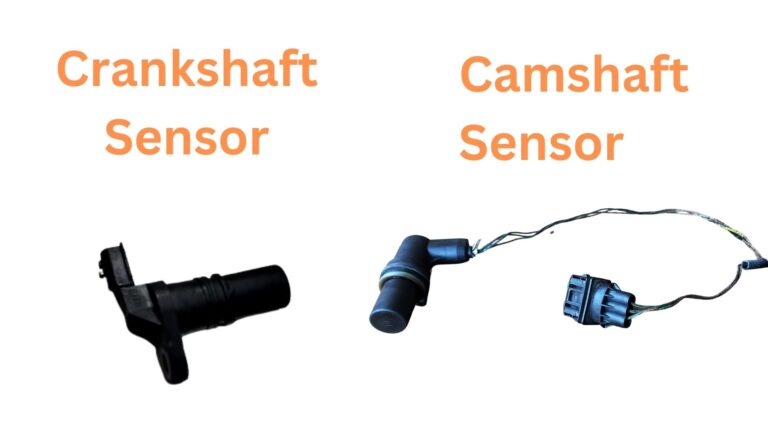
Source: i.ytimg.com
Replace when faulty
Use diagnostic testing to confirm failure.
Inspect wiring first
Electrical faults can create similar symptoms.
Address engine issues
Real engine knocking should be investigated separately.
Replacement Decision Guide
If the vehicle has high mileage and access to the sensor requires significant labor, some owners choose preventive replacement during major engine repairs.
However, replacing a functioning knock sensor is not generally considered routine maintenance.
High-mileage repairs
Preventive replacement may make sense during major engine work.
No scheduled interval
Manufacturers rarely specify a fixed replacement timeline.
Factors That Affect Knock Sensor Longevity
Several operating conditions influence how long a knock sensor lasts. Vehicles exposed to harsh environments often experience sensor-related issues sooner than vehicles used in milder conditions.
Regular maintenance can indirectly help sensor reliability by preventing leaks, corrosion, and abnormal engine conditions.
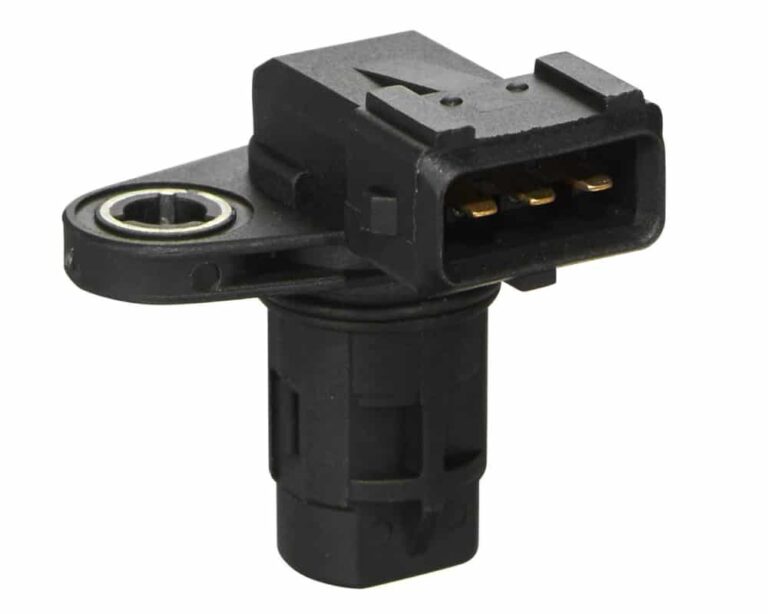
Source: i.ytimg.com
Engine temperature
Excessive heat can shorten electronic component life.
Driving conditions
Frequent heavy loads may increase thermal stress.
Maintenance quality
Addressing leaks and wiring issues supports longevity.
Expected Lifespan by Vehicle Condition
Well-maintained vehicles often retain original knock sensors for well over a decade. Vehicles with recurring engine problems, fluid leaks, or electrical faults may experience earlier failures.
The condition of the wiring harness is often just as important as the condition of the sensor itself.
Good maintenance
Often leads to longer sensor life.
Electrical integrity
Healthy wiring helps ensure accurate sensor operation.
Frequently Asked Questions
Q
Can a knock sensor last the life of a vehicle?
Yes. Many knock sensors remain functional for the entire service life of a vehicle, especially when the engine and electrical systems are well maintained.
Q
Is a bad knock sensor dangerous?
A bad knock sensor may not create an immediate safety risk, but it can reduce engine performance and potentially prevent proper engine protection from detonation.
Q
What mileage do knock sensors usually fail?
Failures commonly appear after 100,000 miles, although some sensors last much longer and others fail earlier due to environmental or electrical issues.
Q
Can bad wiring cause a knock sensor code?
Yes. Damaged wiring, loose connectors, and corrosion can trigger knock sensor-related fault codes even when the sensor itself is still working.
Q
Should I replace a knock sensor as preventive maintenance?
Most manufacturers do not recommend routine replacement. It is usually replaced only when testing confirms a fault or during major engine repairs where access is convenient.
✦ Wrapping Up
Conclusion
For most drivers, knock sensors are durable components that fail relatively infrequently. Many continue working beyond 100,000 miles and may never require replacement during normal vehicle ownership.
When failures occur, they are often linked to age, heat, vibration, corrosion, or electrical issues. Proper diagnostics can identify whether the sensor itself or its wiring is responsible for the problem.
💡 Key Takeaway
If your vehicle displays a knock sensor fault code, inspect the wiring and perform diagnostic testing before replacing parts unnecessarily.
Ethan Brooks is an automotive writer at Auto News 7, covering car news, vehicle maintenance, new model updates, recalls, and practical buying guides. He focuses on clear, useful information that helps drivers understand their vehicles and make better ownership decisions.
Learn whether both camshaft position sensors are the same, how intake and exhaust sensors differ, when they can be swapped, and how to identify the correct replacement.
Learn whether camshaft and crankshaft sensors are the same, how they work, their differences, symptoms of failure, and when each sensor needs replacement.
Learn how much a camshaft position sensor costs, typical replacement prices in the USA, labor charges, symptoms of failure, and when replacement makes sense.
Learn how to test a single wire knock sensor with a multimeter, check its wiring and ground path, interpret resistance readings, and avoid common testing mistakes.
Learn whether spark plugs can cause a knock sensor code, how ignition problems affect engine knock detection, common symptoms, diagnosis steps, and repair options.