Yes, a knock sensor code can be serious because it may affect engine protection and performance.
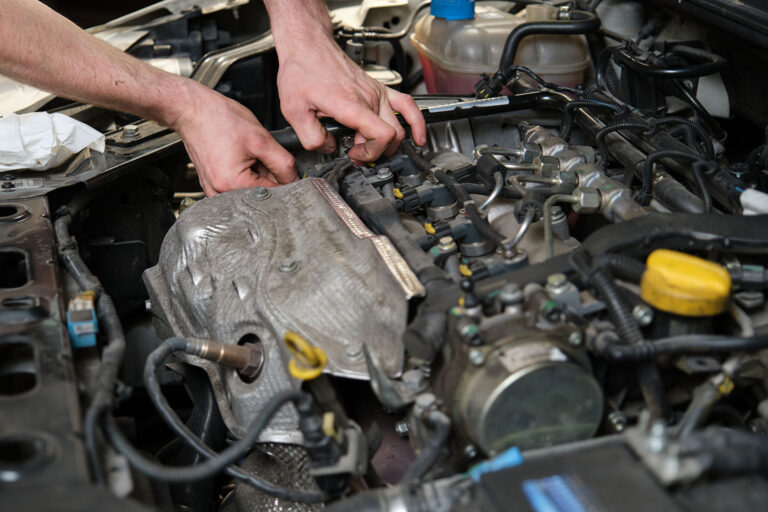
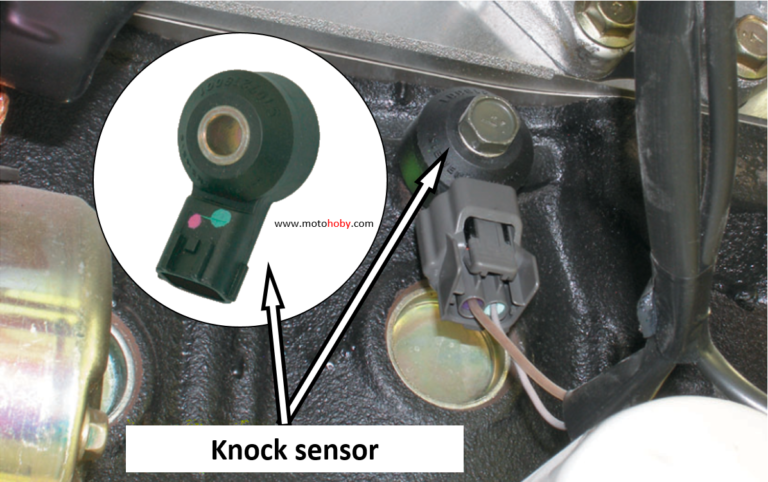
For drivers across the United States, a knock sensor code is not usually an emergency that requires stopping the vehicle immediately, but it should never be ignored. The knock sensor helps the engine control module detect harmful engine knock and adjust ignition timing to protect internal engine components.
When a knock sensor code appears, the problem may be a failed sensor, damaged wiring, poor electrical connections, or an engine condition that is causing abnormal combustion. The longer the issue remains unresolved, the greater the risk of reduced performance, lower fuel economy, and possible engine damage under certain operating conditions.
Source: njo.opportunitycroydon.org
What Does a Knock Sensor Code Mean?
A knock sensor code indicates that the vehicle’s computer detected a problem with the knock sensor circuit, signal, or operation. Common codes include P0325, P0326, P0327, P0328, and related manufacturer-specific codes.
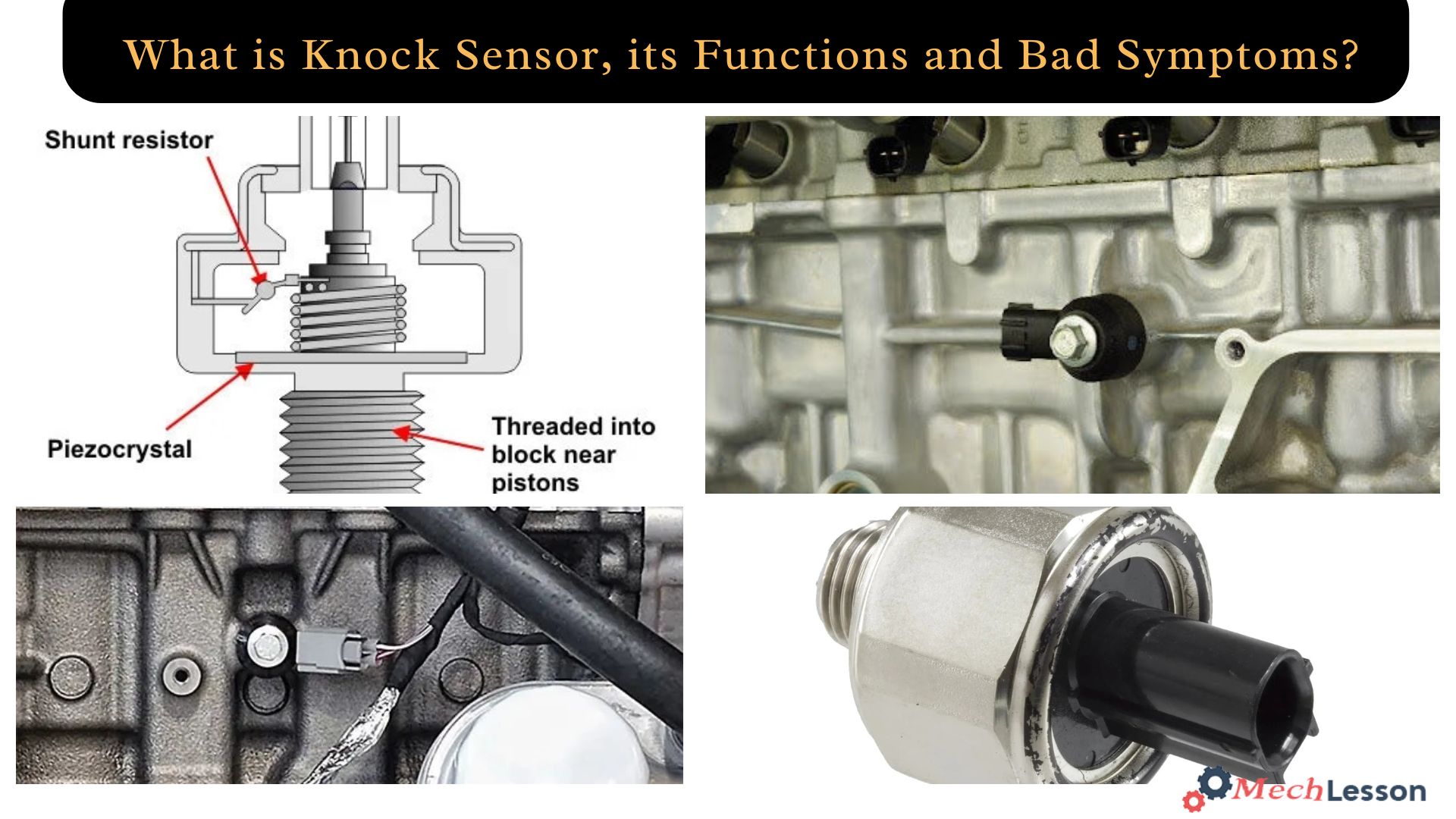
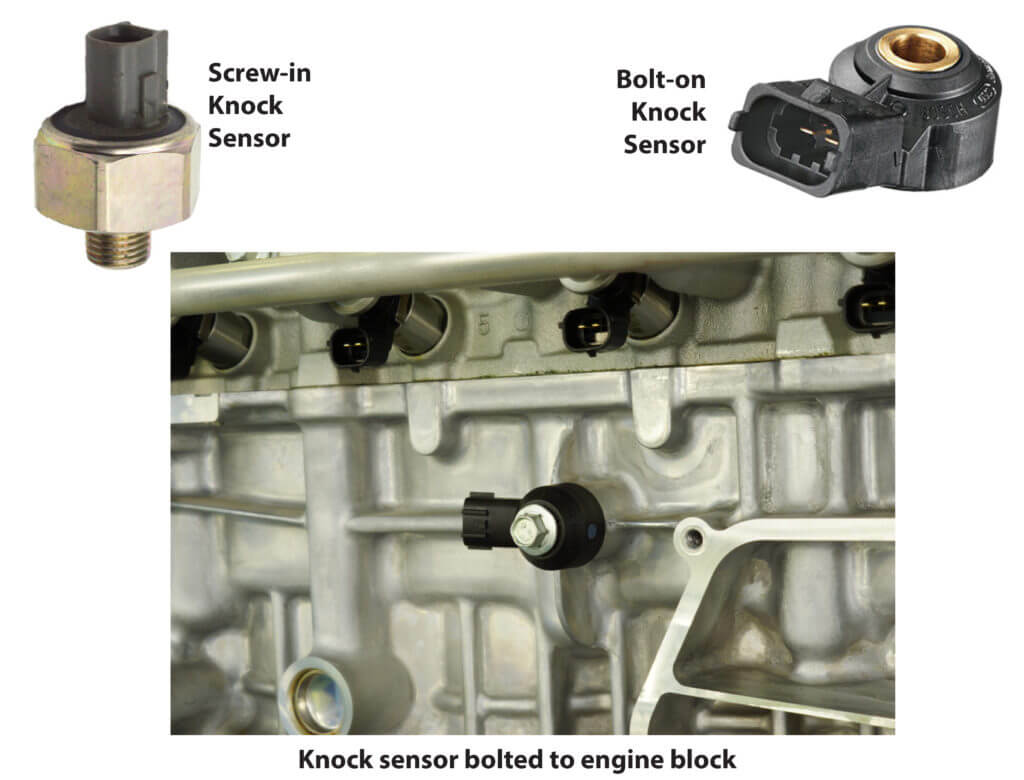
The knock sensor listens for vibrations associated with detonation or spark knock. When the system operates correctly, the engine computer can adjust ignition timing to reduce harmful combustion events and help protect engine components.
Source: hitchesguide.com
Sensor Function
Detects engine vibrations associated with abnormal combustion.
Computer Response
Allows ignition timing adjustments to reduce knocking.
Diagnostic Trigger
A code sets when the signal is outside expected parameters.
Why Modern Engines Depend on Knock Sensors
Modern engines often operate with aggressive ignition timing for efficiency and power. The knock sensor provides feedback that helps the computer balance performance with engine protection.
Performance
Supports optimized engine timing.
Protection
Helps prevent damaging detonation.
Is a Knock Sensor Code Serious?
Yes, the answer to is a knock sensor code serious is often yes because the code affects an important engine protection system. The severity depends on the underlying cause, vehicle design, and whether actual engine knock is occurring.
In many vehicles, the engine computer responds to a knock sensor fault by using conservative timing settings. This can reduce power and fuel economy. If genuine detonation is occurring and the system cannot detect it correctly, internal engine damage becomes a greater concern.
Source: detroitchinatown.org
Low Severity Situation
A wiring or sensor fault causes a code but no active engine knock exists.
Moderate Severity Situation
Vehicle experiences noticeable power loss and poor fuel economy.
High Severity Situation
Actual detonation occurs and engine protection is compromised.
Can You Keep Driving?
Many vehicles remain drivable with a knock sensor code, but continued operation without diagnosis is not recommended. Heavy acceleration, towing, or high-load driving can increase risk if an underlying engine problem exists.
Short-Term Driving
Usually possible if the vehicle runs normally.
Long-Term Driving
Can increase the chance of performance issues or engine damage.
Common Causes of a Knock Sensor Code
A knock sensor code does not automatically mean the sensor itself has failed. Several mechanical and electrical issues can trigger the same warning.
Accurate diagnosis requires scanning for stored codes, inspecting wiring, and evaluating engine operating conditions.
Source: apogeeweb.net
Failed Knock Sensor
Internal sensor failure prevents accurate readings.
Damaged Wiring
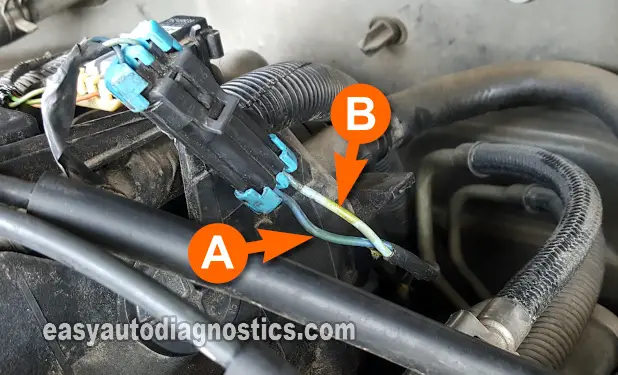
Broken, corroded, or shorted wires interrupt communication.
Loose Connector
Poor electrical contact can create intermittent faults.
Engine Mechanical Problems
Actual knocking, carbon buildup, or fuel issues may contribute.
Fuel Quality and Engine Knock
Using fuel with an octane rating below the manufacturer’s recommendation can contribute to knock-related symptoms. Although it may not directly cause every code, poor fuel quality can complicate diagnosis.
Recommended Fuel
Use the octane level specified by the manufacturer.
Symptoms That Often Accompany a Knock Sensor Code
Some vehicles display only a check engine light, while others show noticeable drivability issues. The symptoms depend on how the engine management system responds to the fault.
Drivers may notice performance changes before hearing any actual engine knock.
Source: gomechanic.in
Check Engine Light
The most common symptom.
Reduced Engine Power
Conservative timing strategies can limit performance.
Poor Fuel Economy
Engine efficiency may decrease.
Engine Hesitation
Acceleration may feel slower than normal.
When Symptoms Become More Serious
If you hear pinging, knocking, or rattling sounds during acceleration, the vehicle should be inspected promptly. These sounds can indicate abnormal combustion that may damage engine components over time.
Audible Knock
Requires prompt diagnosis.
How to Diagnose and Repair the Problem
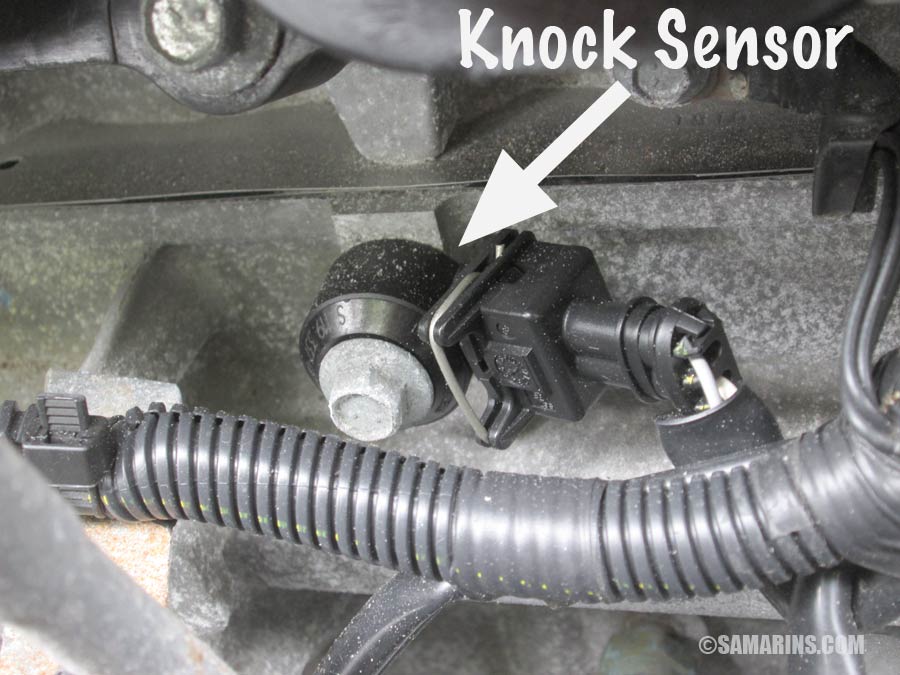
The best approach is to read the stored diagnostic trouble codes and inspect the knock sensor circuit before replacing parts. Many vehicles require significant labor to access the sensor because it may be located beneath the intake manifold.
A proper diagnosis can prevent unnecessary replacement of components that are functioning correctly.
Source: storage.googleapis.com
Scan for Codes
Identify all stored and pending trouble codes.
Inspect Wiring
Check for corrosion, damage, or loose connectors.
Test Sensor Circuit
Verify electrical integrity according to service procedures.
Repair Root Cause
Replace failed components or correct engine-related issues.
Estimated Repair Costs
Repair costs vary significantly depending on vehicle design, labor requirements, and whether the fault involves the sensor, wiring, or another engine issue.
Simple Wiring Repair
Often less expensive than sensor replacement.
Sensor Replacement
Cost depends on access difficulty and vehicle model.
Decision Guide: How Serious Is Your Situation?
Not every knock sensor code represents the same level of risk. Evaluating symptoms alongside the code provides a clearer picture of urgency.
Use this decision guide to determine your next step.
Source: hitchesguide.com
Code Only
Schedule diagnosis soon but avoid unnecessary delays.
Code Plus Power Loss
Inspect the vehicle promptly.
Code Plus Knocking Noise
Seek diagnosis immediately to reduce engine risk.
Code Plus Multiple Engine Faults
Comprehensive diagnostics are recommended.
When to Contact a Professional
Professional diagnosis is recommended when engine noises, severe drivability issues, repeated codes, or uncertain test results are present.
Professional Evaluation
Helps identify the actual cause instead of replacing parts based on guesswork.
Frequently Asked Questions
Q
Can a knock sensor code damage the engine?
The code itself does not damage the engine. However, if actual engine knock is occurring and the issue is ignored, prolonged detonation can contribute to engine damage.
Q
Can I pass an emissions inspection with a knock sensor code?
In many areas, an active check engine light associated with a stored diagnostic code can result in a failed emissions inspection. Requirements vary by state.
Q
Will a bad knock sensor reduce engine power?
Yes. Many engine control systems reduce ignition timing when a knock sensor fault is detected, which can lead to lower performance and slower acceleration.
Q
How long can I drive with a knock sensor code?
Some vehicles can be driven for a limited time with a knock sensor code, but diagnosis should not be postponed. The underlying cause determines the actual risk level.
Q
Does replacing the knock sensor always fix the code?
No. Wiring problems, connector issues, engine conditions, and other faults can trigger similar codes. Proper testing is important before replacing parts.
✦ Wrapping Up
Conclusion
If you are asking is a knock sensor code serious, the safest answer is yes because the code involves a system designed to protect the engine from harmful combustion events. While many vehicles remain drivable, the warning should not be ignored.
Prompt diagnosis helps identify whether the problem is a simple electrical fault, a failed sensor, or an underlying engine issue. Addressing the cause early can prevent performance loss and reduce the risk of more expensive repairs.
💡 Key Takeaway
Scan the vehicle for diagnostic codes, inspect the knock sensor circuit, and schedule repairs as soon as practical rather than continuing to drive indefinitely with the warning present.
Ethan Brooks is an automotive writer at Auto News 7, covering car news, vehicle maintenance, new model updates, recalls, and practical buying guides. He focuses on clear, useful information that helps drivers understand their vehicles and make better ownership decisions.
Learn whether a knock sensor can cause shifting problems, how engine management affects transmission operation, common symptoms, diagnosis steps, and when to replace a faulty knock sensor.
Learn how to replace camshaft position sensor bank 1 with a clear step-by-step process, required tools, troubleshooting tips, and safety advice for DIY vehicle owners in the USA.
Learn how to test a Nissan knock sensor using a multimeter, scan tool, and visual inspection. Follow this step-by-step guide to diagnose knock sensor problems on Nissan vehicles.
Learn how to diagnose a bad knock sensor using symptoms, OBD-II codes, inspections, and multimeter testing. Follow a step-by-step guide for accurate troubleshooting.
Learn how to test a GM knock sensor using a multimeter, scan tool, and practical diagnostic steps. Discover common symptoms, testing methods, and troubleshooting tips for Chevrolet, GMC, Cadillac, and Buick vehicles.
Learn how to replace camshaft position sensor components with a detailed step-by-step guide, tools list, troubleshooting tips, safety advice, and common mistakes to avoid.