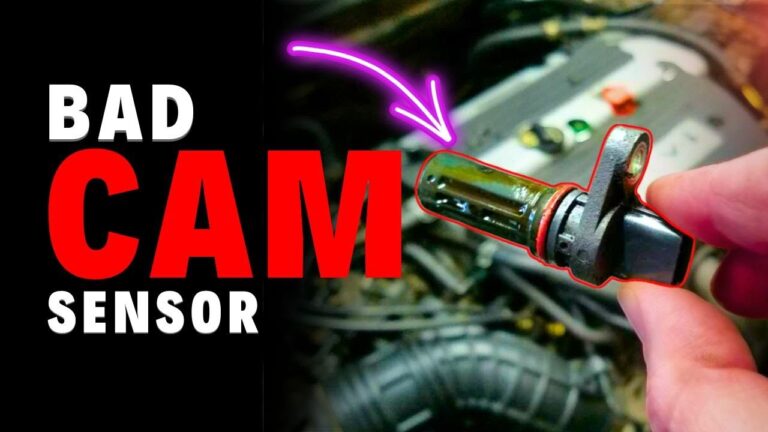
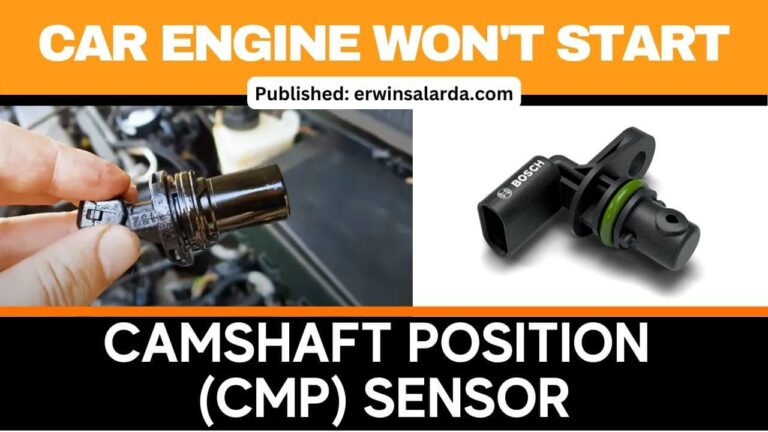
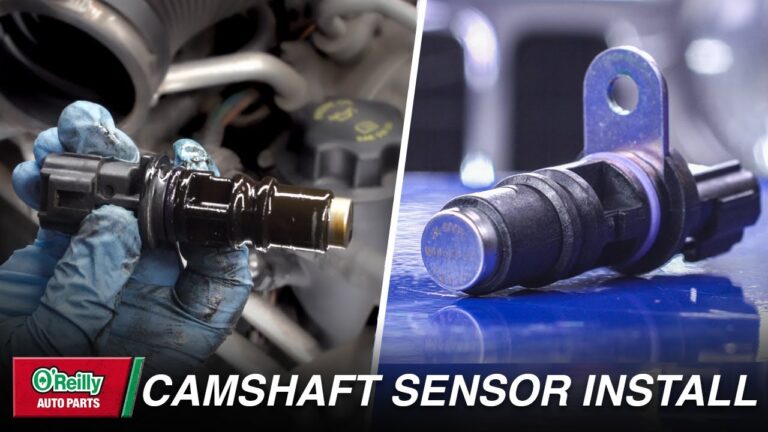
To check a camshaft position sensor, inspect the wiring, scan for fault codes, verify power and ground, and test the sensor signal with a multimeter or oscilloscope.
Across the United States, camshaft position sensor failures are a common cause of hard starting, engine misfires, rough idle, reduced fuel economy, and illuminated check engine lights. Knowing how to check camshaft position sensor performance can help drivers identify the source of engine problems before replacing parts unnecessarily.
Most camshaft position sensors can be evaluated using basic diagnostic tools such as an OBD-II scanner and a digital multimeter. A systematic approach helps determine whether the sensor itself is faulty or if the problem comes from wiring, connectors, power supply issues, or engine timing components.
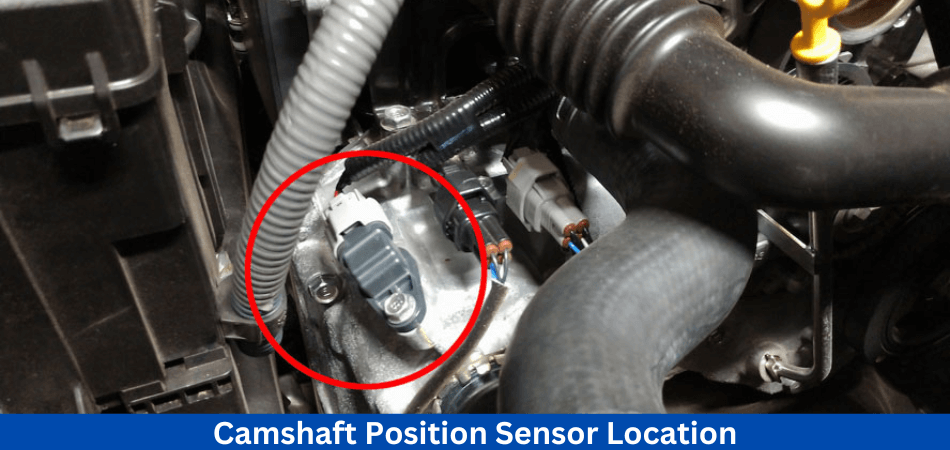
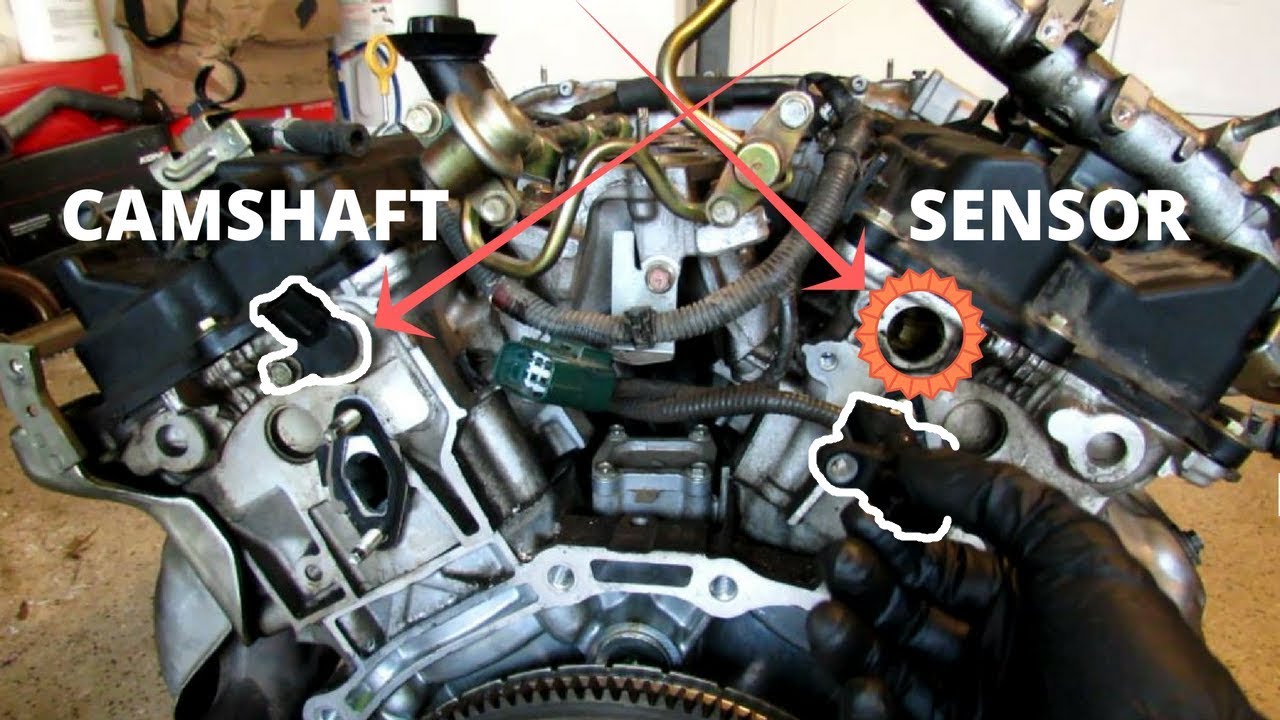
Source: smartvehiclecare.com
What Does a Camshaft Position Sensor Do?
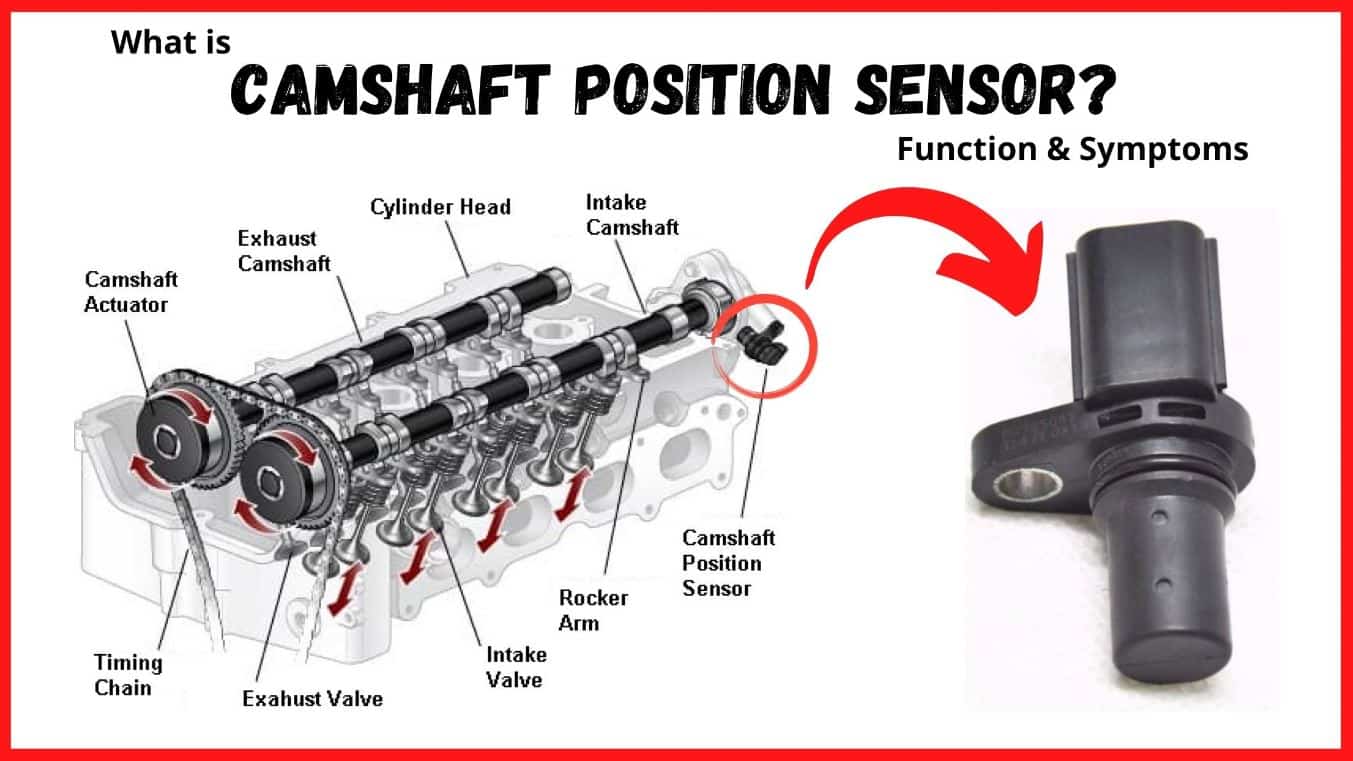
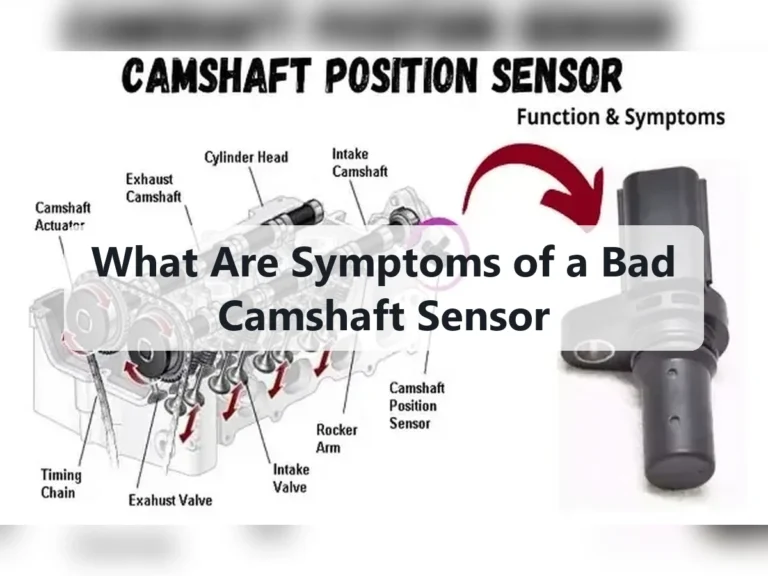
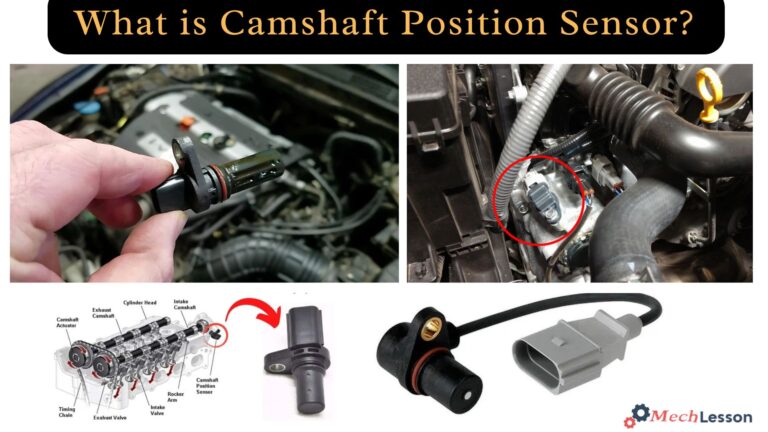
The camshaft position sensor monitors the position and rotational speed of the camshaft. The engine control module uses this information to manage ignition timing, fuel injection timing, and variable valve timing systems.
When the sensor sends inaccurate data or stops communicating, the engine computer may struggle to synchronize engine functions. This can lead to starting issues, misfires, poor performance, stalling, or reduced fuel efficiency.
Source: theengineerspost.com
Primary Function
Tracks camshaft position relative to the crankshaft.
Engine Management
Supports ignition timing and fuel injection calculations.
Performance Impact
Incorrect signals can affect drivability and emissions.
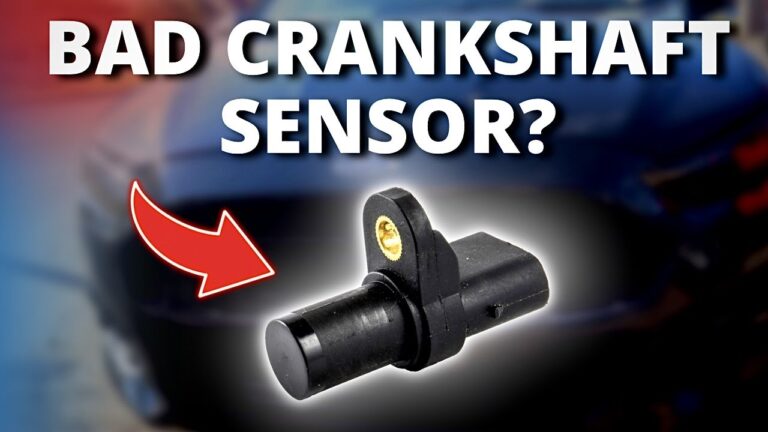
Common Symptoms of a Faulty Sensor
Symptoms often include hard starting, rough idle, hesitation during acceleration, intermittent stalling, and an illuminated check engine light.
Check Engine Light
Often accompanied by camshaft-related trouble codes.
Tools Needed to Check a Camshaft Position Sensor
Before testing, gather the necessary tools. Having the right equipment improves accuracy and reduces the risk of misdiagnosis.
Many basic checks can be completed with common automotive diagnostic tools available to DIY mechanics.
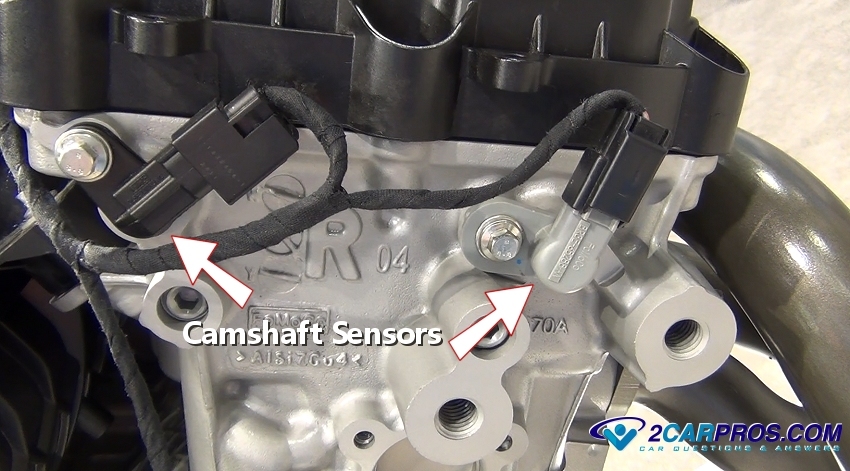
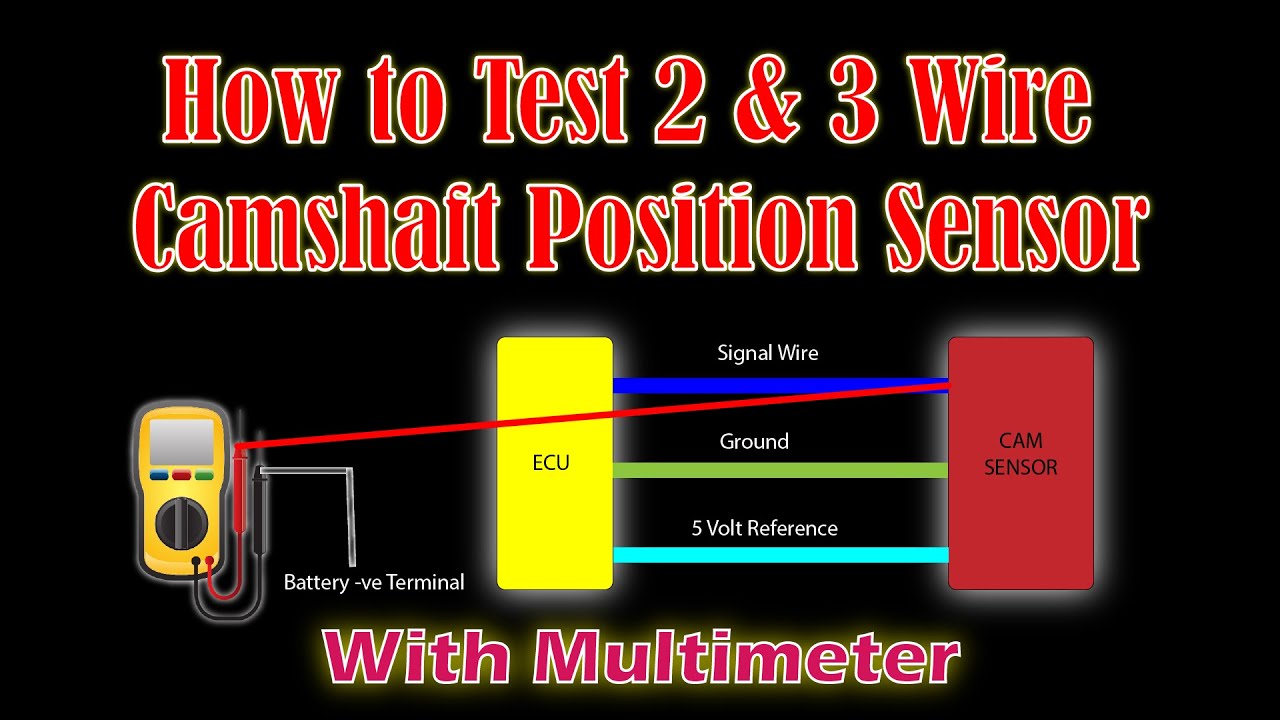
Source: 2carpros.com
OBD-II Scanner
Reads trouble codes and live sensor data.
Digital Multimeter
Measures voltage, resistance, and continuity.
Oscilloscope
Displays sensor waveform patterns.
Vehicle Service Information
Provides model-specific specifications.
Safety Preparation
Park on a level surface, engage the parking brake, and keep loose clothing away from moving engine components during testing.
Battery Safety
Follow manufacturer procedures when disconnecting electrical components.
How to Check Camshaft Position Sensor Step by Step
Start with the easiest and most informative tests before performing detailed electrical measurements. This approach helps avoid unnecessary parts replacement.
The following sequence works for most modern gasoline and diesel vehicles, although exact specifications vary by manufacturer.
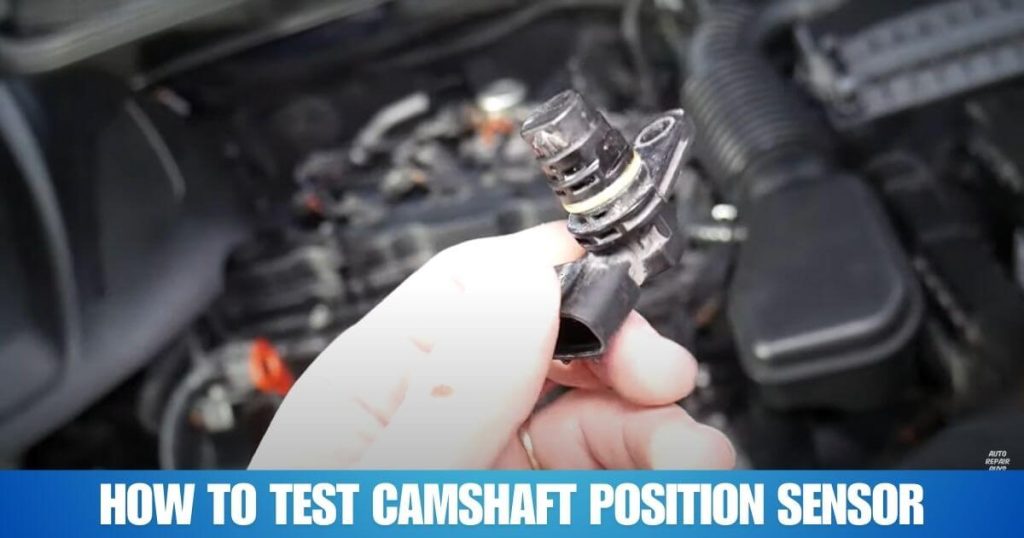
Source: hitchesguide.com
Step 1
Scan for diagnostic trouble codes such as camshaft sensor circuit or correlation faults.
Step 2
Inspect the sensor connector for corrosion, damage, or loose terminals.
Step 3
Check wiring for cuts, abrasion, or heat damage.
Step 4
Verify power supply and ground using a multimeter.
Step 5
Measure sensor output according to manufacturer specifications.
Signs of a Successful Test
A healthy sensor receives proper voltage, has a solid ground connection, and produces a stable signal while the engine is cranking or running.
A digital multimeter can verify whether the sensor receives power and whether its electrical characteristics are within specification. Consult service information for the exact values used by your vehicle.
Hall-effect sensors typically receive a reference voltage from the engine control module, while magnetic sensors generate their own voltage signal.
Source: storage.googleapis.com
Power Check
Confirm the reference voltage reaches the sensor connector.
Ground Check
Verify a low-resistance ground path.
Signal Check
Measure output changes while cranking the engine.
When Readings Are Out of Range
Incorrect voltage, no signal, or inconsistent readings may indicate a failed sensor, damaged wiring, connector issues, or a control module problem.
Retest
Confirm wiring integrity before replacing the sensor.
Common Problems That Can Mimic a Bad Camshaft Position Sensor
Not every camshaft-related fault code means the sensor has failed. Several engine and electrical problems can create similar symptoms.
Diagnosing the complete system prevents unnecessary replacement costs and improves repair accuracy.
Source: storage.googleapis.com
Damaged Wiring
Broken or shorted wires can interrupt the sensor signal.
Timing Chain Issues
Excessive timing chain wear can create correlation faults.
Connector Corrosion
Poor electrical contact can mimic sensor failure.
Low Battery Voltage
Insufficient voltage can affect sensor operation.
What to Do if Testing Fails
If all sensor tests pass but symptoms remain, inspect engine timing components and perform advanced diagnostics using live data and waveform analysis.
Professional Diagnosis
Seek qualified assistance for complex timing or control module faults.
Quick Diagnostic Decision Table
This table helps match common symptoms with likely causes and next diagnostic steps.
Source: hitchesguide.com
No Start Condition
Check sensor signal, power, and ground circuits.
Intermittent Stalling
Inspect wiring and connector condition.
Correlation Codes
Inspect engine timing components.
No Sensor Voltage
Check control module supply circuits.
Most Efficient Testing Order
Begin with fault code scanning, continue with visual inspection, verify electrical circuits, and finally test signal output.
Avoid Guesswork
Follow a structured diagnostic process.
Frequently Asked Questions
Q
Can a car run with a bad camshaft position sensor?
Some vehicles may continue running with reduced performance, while others may experience severe drivability issues or fail to start.
Q
What trouble codes indicate a camshaft position sensor problem?
Common codes include camshaft position sensor circuit faults, signal range issues, and camshaft-to-crankshaft correlation codes.
Q
Can I test a camshaft position sensor without removing it?
Yes. Most electrical tests can be performed with the sensor installed by back-probing the connector and monitoring live data.
Q
Should I replace the sensor if a camshaft code appears?
Not immediately. Wiring faults, timing issues, and connector problems can trigger similar codes.
Q
What is the most accurate way to test a camshaft position sensor?
An oscilloscope provides the clearest view of the sensor waveform and is generally considered the most accurate diagnostic method.
✦ Wrapping Up
Conclusion
Learning how to check camshaft position sensor operation involves more than simply replacing a suspected component. Accurate diagnosis starts with scanning for codes, inspecting wiring, and verifying power, ground, and signal integrity.
Following a structured testing process helps identify the true cause of engine performance problems while reducing unnecessary repairs and parts costs.
💡 Key Takeaway
Scan for trouble codes first, inspect wiring carefully, and confirm electrical measurements before replacing a camshaft position sensor.
Ethan Brooks is an automotive writer at Auto News 7, covering car news, vehicle maintenance, new model updates, recalls, and practical buying guides. He focuses on clear, useful information that helps drivers understand their vehicles and make better ownership decisions.
Learn how to remove a camshaft position sensor safely with this detailed step-by-step guide. Discover required tools, common mistakes, troubleshooting tips, and what to do after removal.